
Posts

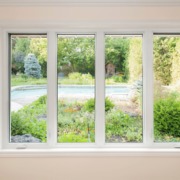
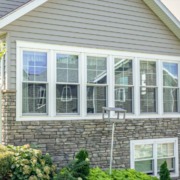
ProVia Aeris windows installed in a Wilmington, DE home

Vinyl vs. Wood-Clad vs. Composite: A Delaware Homeowner’s Guide to Window Materials in 2026

If you’ve started researching replacement windows, you’ve probably noticed the same problem we hear about constantly: most guides online are written for a national audience, which means the advice is generic enough to apply anywhere — and not specific enough to actually help you decide what’s right for a home in New Castle County. Climate matters more than most articles let on, and a window material that makes sense in Phoenix isn’t necessarily the right call in Wilmington.

This guide focuses on the three window materials that actually make sense to consider for a real replacement project here in 2026: vinyl, wood-clad, and composite. (Solid wood and bare aluminum frames still exist in the market, but for most homeowners replacing windows today, they’ve largely been surpassed by these three options on cost, maintenance, or performance — so we’re not spending time on them here.) Here’s how the three compare, honestly, including where each one falls short.

Vinyl Windows

Vinyl windows are frames made from rigid PVC — the same category of durable, weather-resistant plastic used in a huge range of building products. It became a mainstream replacement window material starting in the 1970s, largely because it solved the biggest problem with wood: it doesn’t rot, doesn’t need repainting, and holds up well against moisture.

Advantages:

  • Cost. Vinyl is consistently the most affordable of the three materials, both in material cost and typically in installation.
  • Low maintenance. No painting, staining, or sealing required — occasional cleaning is the extent of it.
  • Moisture and insect resistance. Vinyl doesn’t absorb water, rot, or attract wood-boring insects, which matters in a humid Mid-Atlantic climate.
  • Energy efficiency. Modern vinyl frame engineering — multi-chamber construction, thermal reinforcement, insulated cavities — has closed much of the performance gap that used to separate cheap vinyl from premium materials.

Drawbacks:

  • Color and finish options vary by manufacturer. Older or budget vinyl windows are often limited to white or a small handful of colors, and painting vinyl after the fact generally isn’t recommended.
  • Reputation lag. Vinyl has a decades-old reputation for looking cheap, which was fair criticism of older, thinner, poorly engineered vinyl — but it’s an outdated generalization when it comes to today’s professional-class vinyl construction.
  • Not repairable in the same way as wood. A damaged vinyl frame is typically replaced rather than refinished.

That reputation gap is exactly why we spend time explaining the actual construction behind higher-end vinyl in our breakdown of what makes a window “professional-class” — welded corners, thermal reinforcement, and insulated cavities put a well-engineered vinyl window in a different category from what “vinyl window” used to mean 20 years ago.

Wood-Clad Windows

Wood-clad windows use real wood — typically oak, cherry, or maple — on the interior, paired with a protective, low-maintenance exterior material (usually vinyl or aluminum) that shields the wood from weather. The idea is straightforward: put the material that looks best where you see it (inside your home) and the material that holds up best to weather where it takes the abuse (outside your home).

Advantages:

  • Authentic wood aesthetics. Real wood grain, stainable and paintable to match existing trim — something no vinyl or composite interior can fully replicate.
  • Strong insulation. Wood is a naturally good insulator, and wood-clad construction generally performs well on energy efficiency.
  • No exterior maintenance. The cladding material handles weather exposure, so you get wood’s look without wood’s upkeep — no repainting or resealing the exterior every few years.

Drawbacks:

  • Higher cost. Wood-clad windows are the most expensive of the three materials, generally by a meaningful margin over vinyl.
  • Fewer manufacturers. Not every window brand offers a true wood-clad product, which can narrow your options compared to shopping for vinyl.
  • Interior finish still needs occasional attention. While the exterior is maintenance-free, the interior wood finish can be affected by things like sustained indoor humidity or direct sun exposure over time.

We’ve written a full breakdown of this category and its fit for our climate specifically in Wood-Clad vs. Vinyl Windows: Why Delaware Homeowners Are Choosing ProVia’s Aeris Line, if this is the direction you’re leaning.

Composite Windows

Composite windows are a newer category, built from a blended material — typically wood fiber or wood particles combined with a thermoplastic polymer or resin. The goal is to capture some of wood’s insulating and aesthetic qualities while engineering out wood’s biggest weaknesses: rot, warping, and moisture absorption.

Advantages:

  • Durability. Composite material resists rot and warping better than solid wood, and generally holds up well structurally over time.
  • Good insulation. Composite materials tend to perform comparably to wood or wood-clad options on thermal efficiency.
  • Low maintenance. Like vinyl, composite exteriors typically don’t require repainting or resealing.

Drawbacks:

  • Cost. Composite windows are typically priced higher than vinyl, often closer to wood-clad pricing.
  • Fewer color and finish options than vinyl. Ironically, despite being marketed on design flexibility, composite windows often have a narrower color range than modern vinyl lines.
  • Fading over time. Depending on the specific composite formulation, some products are more prone to UV fading than vinyl or properly clad wood.
  • More complex repairs. Because composite material is a blend rather than a single, well-understood material like vinyl or wood, repairs can be more involved if something does go wrong.
  • Limited local availability. Composite is a newer, less standardized category, and not every manufacturer — including ProVia, the line we install — produces a true composite window. If a composite window is specifically what you’re after, that will point you toward a different manufacturer than the wood-clad vinyl and professional-class vinyl lines we specialize in.

We think that last point is worth being upfront about rather than glossing over: we’re a ProVia dealer, and ProVia’s window lineup is built on vinyl and wood-clad vinyl construction, not composite. That’s a real, honest limitation to disclose — and also part of why we’d rather walk you through where vinyl and wood-clad actually stack up well against composite’s advantages, rather than pretend composite isn’t a legitimate option.

Side-by-Side: How the Three Compare

VinylWood-CladComposite
Typical cost$$$$$$–$$$
MaintenanceMinimalMinimal exterior, some interior careMinimal
Moisture/rot resistanceExcellentExcellent (exterior)Good
InsulationGood to excellent (varies by construction)ExcellentGood to excellent
Interior aestheticVinyl/laminate finishReal wood grainWood-look, not real wood
Color/finish flexibilityVaries widely by manufacturerWide (paint/stain options)Often more limited than expected
Manufacturer availabilityWidestModerateNarrowest

Which Material Actually Fits a Delaware Home

Our climate is the deciding factor more than most homeowners initially expect. New Castle County deals with humid summers, cold winters, and real freeze-thaw cycling — conditions that punish any material with weak moisture resistance and reward anything engineered specifically to withstand repeated expansion and contraction. This is the same climate argument we cover in more depth in our ENERGY STAR and climate zone guide: Delaware sits in a zone that demands solid performance against both heating and cooling loads, not just one or the other.

In practice, here’s how we see homeowners land on a decision:

  • Budget-driven, whole-house replacements almost always land on vinyl — the cost efficiency and low maintenance make it the practical choice for most homes, especially when you’re replacing every window rather than a handful of accent windows.
  • Design-focused remodels, historic homes, and homeowners matching existing wood trim tend toward wood-clad, since no vinyl or composite interior fully replicates real stainable wood grain.
  • Homeowners specifically drawn to composite’s marketing are often actually looking for what wood-clad vinyl already delivers — rot resistance, low maintenance, and strong insulation — without realizing wood-clad vinyl frequently matches or beats composite on those exact points, often at a more competitive price and with wider manufacturer support.

Why We Lean on Vinyl and Wood-Clad Vinyl for Most Projects

We install ProVia specifically because their engineering closes most of the gap that used to separate “cheap vinyl” from premium alternatives like composite. SunShield® vinyl, INNERGY® thermal reinforcement, and insulated frame cavities give ProVia’s all-vinyl lines — Endure, Aspect, and ecoLite — durability and energy performance that competes directly with composite’s advantages, at a lower price point and with far broader color, glass, and style availability. And for homeowners who specifically want the wood-clad category, Aeris delivers genuine wood-clad construction rather than a wood-look composite imitation.

If you’re still narrowing down which specific ProVia line fits your project and budget, our full brand comparison of Endure, Aeris, Aspect, and ecoLite is the natural next step — it breaks down exactly what’s standard on each line so you can match a specific product to the material category that makes sense for your home.

Talk to a Local Installer Before You Decide

Every one of these materials has a legitimate use case — the right answer depends on your budget, your home’s style, and how much you value real wood aesthetics versus low-maintenance simplicity. As a certified ProVia dealer in New Castle County, American Craftsmen can walk you through vinyl and wood-clad vinyl options in person, show you real installed examples, and help you land on the material that actually fits your project rather than whichever one has the best marketing. Contact us to schedule a free consultation.
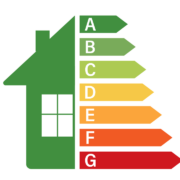
ENERGY STAR window label showing U-factor and SHGC ratings

ENERGY STAR Certified Windows in Delaware: What It Means for Your Utility Bills

The ENERGY STAR label shows up on everything from refrigerators to light bulbs, and it’s easy to assume it means roughly the same thing no matter what product it’s stamped on. With windows, that assumption can actually cost you money — because unlike a dishwasher, an ENERGY STAR-certified window doesn’t meet one single national standard. It meets a standard specific to where you live. A window that qualifies for ENERGY STAR certification in Arizona might not qualify in Delaware, and vice versa.

We’ve already covered the technical side of window performance in our guide to U-factor and Solar Heat Gain Coefficient. This article is about the certification itself — what ENERGY STAR actually requires for a home in New Castle County specifically, and what that translates to in real utility bill savings.

ENERGY STAR Isn’t Just a Sticker — It’s a Regional Standard

To carry the ENERGY STAR label, a window has to be independently tested and rated through the National Fenestration Rating Council (NFRC), which measures the whole window’s performance — frame and glass together, not just the glass on its own. Those ratings are then checked against ENERGY STAR’s published criteria, which vary by climate zone.

The U.S. is divided into four ENERGY STAR window climate zones: Northern, North-Central, South-Central, and Southern. Each zone has its own required U-factor and Solar Heat Gain Coefficient (SHGC) thresholds, because a window built to hold in heat for a Minnesota winter isn’t solving the same problem as a window built to block solar heat gain in Phoenix. A window can be ENERGY STAR certified in one zone and not certified in another, which is why the label always specifies which zone(s) a given product qualifies for.

Delaware Falls in the North-Central Zone

New Castle County — and Delaware generally — sits in ENERGY STAR’s North-Central climate zone, which covers much of the Mid-Atlantic along with parts of the lower Midwest. That classification exists for a reason: unlike the Northern zone (heating-dominated, long cold winters) or the Southern zone (cooling-dominated, mild winters), the North-Central zone deals with meaningful heating and cooling loads across the year. That matches our actual weather here — cold winters that call for insulation, and humid, hot summers that call for solar heat control, which is the same seasonal swing we’ve talked about in our post on why Delaware’s climate is tough on windows generally.

Because of that dual burden, North-Central zone requirements are stricter than what you’d see in a milder climate, but not as heating-focused as what’s required further north.

The Actual Numbers: What Certification Requires Here

Under ENERGY STAR’s current Version 7.0 criteria (effective since October 2023), windows sold and certified for the North-Central zone must meet:

  • U-factor of 0.25 or lower — a meaningfully stricter requirement than the previous 0.30 threshold, reflecting how much more effectively a window needs to resist heat transfer to earn certification today.
  • SHGC of 0.40 or lower — controlling how much solar heat is allowed to pass through the glass, relevant for keeping cooling costs down during our humid summers.

If those numbers don’t mean much on their own, our U-factor and SHGC guide breaks down what each one actually measures. The short version: a lower U-factor means less heat escapes through the window in winter, and a lower SHGC means less unwanted solar heat builds up indoors in summer — and North-Central zone certification requires a window to perform reasonably well at both simultaneously, not just one or the other.

What This Actually Means for Your Utility Bills

This is the part homeowners actually care about, and the honest answer is: it depends on what you’re replacing, but the ranges are well documented by the EPA.

  • Replacing single-pane windows with ENERGY STAR certified windows saves an estimated $101 to $583 per year nationally, depending on climate and home size. For the North-Central zone specifically, EPA-based modeling puts the average closer to roughly $490 per year for a whole-home single-pane replacement.
  • Replacing older double-pane windows (especially ones with failed seals or outdated glass) typically saves $27 to $197 per year, since the baseline performance you’re replacing is already better than single-pane glass.
  • On average nationwide, ENERGY STAR certified windows reduce heating and cooling costs by up to 13% compared to non-certified products.

For context on why windows matter as much as they do: the U.S. Department of Energy estimates that heat gain and heat loss through windows account for roughly 25 to 30% of a home’s total heating and cooling energy use. That’s a big enough share that upgrading old, leaky, or single-pane windows is one of the more consequential envelope improvements a homeowner can make — right up there with attic insulation.

A few honest caveats: these are estimates, not guarantees. Actual savings depend on your current windows’ condition, your home’s size and insulation, your HVAC system’s efficiency, and your utility rates. A homeowner replacing 40-year-old single-pane windows will see a very different result than someone replacing 15-year-old double-pane units with failed seals. If you’re trying to build the broader financial case before committing to a project, our post on return on investment for replacement windows is a useful next read.

Why the Standard Keeps Changing — and Why That Matters When You Shop

ENERGY STAR isn’t a fixed bar. The program has been updated multiple times since windows were added to its scope in 1998, and the most recent update — Version 7.0 — tightened requirements meaningfully across all four climate zones starting in October 2023. The North-Central zone’s U-factor requirement alone dropped from 0.30 to 0.25, a real jump in what’s required to earn the label today.

The practical takeaway: if you’re comparing window quotes, don’t assume “ENERGY STAR certified” tells you everything. Confirm which version of the standard a product is certified under and which specific climate zone it qualifies for. A window certified years ago under an older, looser version of the standard may not meet today’s North-Central requirements, even if it still carries an ENERGY STAR sticker from when it was manufactured.

Where ProVia Fits Into This

ProVia’s Endure, Aeris, and Aspect window lines are ENERGY STAR certified, and ProVia offers multiple glass packages specifically to help homeowners meet the certification criteria for their particular region — which matters, since not every glass package on every line is necessarily built for North-Central zone requirements specifically. This is part of why the glass and frame engineering we covered in our breakdown of what makes a ProVia window “professional-class” — the ComforTech glazing system, warm-edge spacers, and frame insulation — isn’t just about premium construction for its own sake. It’s what actually gets a window’s tested U-factor and SHGC low enough to clear the North-Central zone bar in the first place.

If you’re comparing options, it’s worth asking your installer directly which glass package on your chosen window line meets current North-Central zone ENERGY STAR criteria — not just whether the brand as a whole carries the label somewhere in its lineup. You can also check current criteria directly on ENERGY STAR’s official site or ProVia’s own ENERGY STAR page.

It’s Not Just the Glass — the Whole Window Has to Perform

One thing worth remembering: the NFRC rating that determines ENERGY STAR eligibility measures the entire window assembly, not just the glass. A high-performance glass package installed in a poorly insulated, poorly sealed frame won’t hit the same U-factor as that same glass in a well-engineered frame. That’s a big part of why frame construction — welded corners, thermal reinforcement, insulated cavities, and proper weatherstripping — factors directly into whether a window actually earns certification, not just how the glass alone is rated in isolation.

Talk to a Local Installer Who Understands Delaware’s Requirements

Choosing ENERGY STAR certified windows is a smart baseline, but making sure you’re getting a product that’s actually certified for North-Central zone performance — not just certified somewhere in the country — is where a knowledgeable local installer earns their keep. As a certified ProVia dealer in New Castle County, American Craftsmen can confirm exactly which glass packages and window lines meet current ENERGY STAR requirements for our climate zone. Contact us to schedule a free consultation.

vinyl replacement window styles and sizes

Understanding ProVia’s Warranty: What’s Actually Covered on Your New Windows

“Lifetime warranty” is one of the most overused phrases in the home improvement industry, and it’s also one of the most misunderstood. Homeowners hear it and assume it means everything, forever, no questions asked. In reality, every manufacturer’s lifetime warranty — ProVia included — is a specific, written document with defined coverage, defined exclusions, and defined terms about who it applies to and for how long.

That gap between what “lifetime warranty” sounds like and what it actually says in writing is one of the most common sources of frustration we hear from homeowners, usually after something goes wrong. So before you sign a contract, here’s a plain-English breakdown of what ProVia’s warranty actually covers on your windows, what it doesn’t, and why the installer you choose matters just as much as the manufacturer backing the product.

What “Lifetime” Actually Means

ProVia’s Lifetime Limited Warranty covers the original purchaser for as long as they own and live in the home where the windows were originally installed. That’s an important distinction: it’s not a fixed number of years, but it’s also not unconditional forever-coverage that follows you or the house indefinitely. It’s tied to the original purchaser’s ownership and residency.

The good news for resale value: the warranty is transferable one time to a subsequent homeowner if you sell your house, which is worth mentioning to a buyer or realtor down the road — it’s a real, documentable benefit that can support your asking price. We cover this angle in more detail in our post on return on investment for replacement windows.

Component-by-Component: What’s Actually Covered

Rather than one blanket promise, ProVia’s warranty breaks coverage down by component. Here’s what that looks like in practice:

Vinyl frame and sash — Lifetime, transferable. The rigid vinyl in the window is warranted against chipping, cracking, peeling, pitting, or blistering for as long as the original purchaser owns and lives in the home.

Factory-applied exterior paint — Lifetime. If you chose a painted exterior finish, ProVia separately warrants that factory-applied paint against cracking, pitting, peeling, blistering, and non-uniform fading (fading caused by unequal sun exposure across the surface of the window is treated differently than fading exclusions on unequal-exposure surfaces, so it’s worth reading your specific documentation if paint color retention matters to you).

Factory-applied interior wood finish or stain — 10 years. This is especially relevant if you’ve gone with Aeris wood-clad windows, where the interior stain or paint finish is warranted against flaking, checking, blistering, or peeling, along with defects in material and workmanship, for ten years from the date of installation.

Hardware and moving parts — Lifetime. Locks, balances on double hung windows, and other moving hardware are warranted for as long as the original purchaser owns and lives in the home, covering defects in material and workmanship. This is separate from — and in addition to — the frame warranty, which matters because hardware tends to be the first thing that shows wear on a lower-quality window.

Insulated glass units — Coverage varies by line and glass package. Glass seal failure (the cause of fogging or condensation trapped between panes) is a warrantied defect, and several ProVia lines include extended coverage here — some dealer documentation cites terms as long as 20 years for seal failure, with certain lines like Endure and Aspect including broader glass coverage for stress cracks or breakage under normal use. Because this varies by product line and glass package selected, it’s worth confirming the exact glass warranty terms for your specific windows before installation, not after.

Screens — Covered for as long as you own and live in the home, against defects in material and workmanship under normal use — which pairs naturally with the durability we covered in our deep dive on ProVia’s FlexScreen.

What’s Not Covered

This is the part most warranty conversations skip, and it’s just as important as what’s included:

  • Normal wear and tear. A warranty covers defects in material and workmanship — not gradual wear from years of use, which is treated differently.
  • Damage from improper installation. If a window wasn’t installed correctly — flashed improperly, shimmed incorrectly, or set out of square — resulting problems may not be treated as a manufacturing defect at all, even though the symptom (a draft, a leak, a sticking sash) can look identical to one. This is precisely why the installer matters, which we’ll get to below.
  • Condensation damage. Damage to a paint or stain finish caused by condensation is specifically excluded — a good reminder that ongoing interior humidity issues need to be addressed separately, not left to a warranty claim to fix. If you’re dealing with recurring condensation, our guide on window moisture issues explains what’s typically normal versus what points to a bigger problem.
  • Non-uniform fading from unequal exposure. If one side of a window sees significantly more direct sun than another (common on south- and west-facing exposures), resulting color variation between the two surfaces isn’t treated as a material defect.
  • Commercial and non-residential installations. ProVia’s warranty terms step down noticeably for non-residential structures — shorter coverage windows, non-transferable basic unit coverage, and reduced hardware and finish terms compared to what a single-family residential homeowner receives. If you’re a landlord or replacing windows in a rental property, it’s worth confirming which coverage tier applies before you budget for the project.

Why the Installer Matters Just as Much as the Manufacturer

Here’s the detail most homeowners never think to ask about: ProVia’s own warranty documentation is explicit that dealers, contractors, and installers have no authority to offer warranty terms different from or beyond what ProVia itself has put in writing. That protects you from being sold on verbal promises that don’t actually exist on paper — but it also means the manufacturer’s warranty only protects you against product defects, not installation mistakes.

That’s a real gap, and it’s exactly where your choice of installer matters. A window with a flawless manufacturer warranty can still leak, draft, or fail prematurely if it wasn’t installed correctly — and that kind of failure typically isn’t something the manufacturer’s warranty is designed to fix, since it’s not a defect in the product itself. As a certified ProVia dealer, we register every installation properly, follow ProVia’s specified installation procedures so your manufacturer’s warranty stays fully valid, and stand behind our own workmanship on top of it — which is the piece of the puzzle a warranty document alone can’t guarantee you.

How to Actually Protect Your Warranty Coverage

A few practical steps make a real difference if you ever need to file a claim:

  1. Register your warranty. ProVia recommends registering your purchase at provia.com/warranty shortly after installation — this establishes a clear record that your specific windows were installed in your home, which the warranty explicitly requires as proof before a claim can be honored.
  2. Keep your paperwork. Save your contract, invoice, and any documentation from your installer showing the exact windows, glass packages, and finishes selected.
  3. Follow basic maintenance guidelines. Simple things like cleaning with non-abrasive products and periodically lubricating moving hardware help keep windows performing as intended — ProVia’s own cleaning and maintenance guidance covers the specifics.
  4. Use a certified dealer for installation. Since warranty coverage assumes proper installation, working with an authorized ProVia dealer isn’t just a formality — it’s what keeps the manufacturer’s warranty enforceable if something does go wrong down the road.

Ask Us Before You Buy, Not After Something Breaks

Warranty language is dense on purpose, and we’d rather walk you through exactly what’s covered on your specific window line and glass package before you sign anything, rather than have you find out the hard way what an exclusion means. If you’re comparing ProVia’s four window lines and want to understand how coverage and construction differ between them, our full brand comparison is a good next stop — and our breakdown of what makes a ProVia window “professional-class” explains the construction details the warranty is actually protecting.

As a certified ProVia dealer in New Castle County, American Craftsmen registers every installation properly and can walk you through your exact warranty coverage before you commit to a project. Contact us to schedule a free consultation.
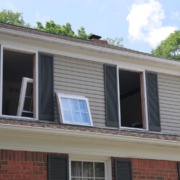
ProVia FlexScreen being installed into a window screen pocket

ProVia’s FlexScreen Explained: The Built-In Screen That Never Falls Out

If you’ve ever fought with a warped aluminum window screen — the kind that pops out of its track every time you try to open a window, or that you have to pry loose with a butter knife every spring — you already understand why this is worth an entire article. It’s a small, unglamorous part of a window that most homeowners never think about until it’s broken, bent, or missing entirely.

ProVia’s answer to that problem is called FlexScreen®, and it’s one of those features that sounds like a minor convenience until you’ve lived with a house full of screens that actually work the way they’re supposed to. Here’s what it actually is, how it’s built, and why it matters more in a New Castle County climate than you’d expect from something this small.

The Problem With Traditional Window Screens

Most window screens — including the ones on a lot of older replacement windows still installed throughout Delaware — use a rigid aluminum frame held into the window track with small plastic or metal clips. Over time, that aluminum frame bends. The clips break or lose tension. The screen starts popping out with normal use, or it gets bowed after a storm, and once the frame is bent, it usually stays bent — aluminum doesn’t spring back into shape.

The other annoyance is seasonal: a lot of homeowners end up removing screens in the fall and storing them somewhere in the garage or basement, either because they’re loose enough to rattle or because the screen material itself needs a break from a full year of sun and weather exposure.

What FlexScreen Actually Is

FlexScreen is built around a completely different concept: instead of a rigid aluminum frame, it uses a PVC-coated spring steel frame that flexes. There’s no attachment hardware at all — no clips, no fasteners. To install it, you simply bend the sides of the screen slightly and set it into the window’s screen pocket, where the spring steel naturally presses outward against the track and holds itself in place. Removing it works the same way in reverse.

Because the frame is spring steel rather than rigid aluminum, it doesn’t stay bent if it gets bumped or flexed — it springs back into its original shape. And because the frame sits recessed into the window’s pocket rather than sitting on top of the sash, it’s noticeably less visible than a traditional aluminum-framed screen, which slightly improves your view and the amount of daylight coming through the window.

An Unusual Origin Story Worth Knowing

FlexScreen isn’t a ProVia invention — it’s worth mentioning because it explains why the engineering is as solid as it is. FlexScreen started as an independent product that gained national attention after appearing on Shark Tank, where inventor Joe Altieri secured a deal with Lori Greiner. ProVia later partnered with FlexScreen as a licensee, and in 2024 brought FlexScreen production in-house at its own window manufacturing facility, which allowed for closer quality control — including more thorough inspection of frame-to-mesh connections and ongoing refinement of the wire gauge and weld strength used in production.

In other words, this isn’t a generic accessory ProVia slapped its name on. It’s a purpose-built product that ProVia now manufactures directly, which is part of why it’s standard equipment on several of their window lines rather than an upsell.

The Material Science Behind Why It Doesn’t Bend or Break

The frame itself is made from high-carbon, oil-tempered, phosphate-enhanced spring steel — the same category of material used in garage door springs and automotive shock absorbers, chosen specifically because it needs to flex repeatedly without fatiguing or losing its shape. That steel core is then coated in Duralloy PVC, a protective exterior-grade coating comparable to what you’d find on outdoor park benches or dishwasher racks — materials that need to hold up to constant moisture and temperature exposure without corroding or degrading.

ProVia states FlexScreen has been tested through more than 4,000 hours of salt spray and high-wind exposure — testing conditions that are directly relevant to a Mid-Atlantic coastal climate like ours, where humidity off the Delaware Bay and the Atlantic accelerates corrosion on lower-quality metal hardware over time. It’s the same reasoning behind why ProVia’s vinyl compound and thermal reinforcement are engineered the way they are — components built to withstand real weather exposure rather than showroom conditions.

Two Mesh Options, Depending on the Room

FlexScreen isn’t a single fixed product — it’s available with two different mesh types depending on what a given window needs:

  • BetterVue® fiberglass mesh is the standard option for most living spaces — kitchens, living rooms, bedrooms — where visibility and daylight matter most. It’s a finer, more see-through mesh that still holds up well structurally.
  • Heavy-duty fiberglass mesh is a tougher option better suited to basement or attic windows, where the screen may take more abuse or need more resistance to wear and tear than a typical living-room window screen.

That flexibility means you’re not stuck with one screen type across an entire house — a basement window and a kitchen window can each get the mesh that actually fits how that room is used.

Which ProVia Windows Come With It

FlexScreen comes standard on exterior laminated and painted Endure™ windows and on Aeris™ wood-clad vinyl windows, and it’s also available on Aspect™ double hung and slider windows. It’s manufactured to fit any size Endure, Aeris, or Aspect double hung or slider window — so if your current ProVia windows weren’t originally outfitted with FlexScreen, a dealer can measure and order one to fit. If you’re comparing which ProVia line makes sense for your project overall, our full brand comparison breaks down what’s standard versus optional across Endure, Aeris, Aspect, and ecoLite.

Why This Actually Matters for a New Castle County Home

It’s easy to treat a window screen as an afterthought, but in this region it earns its keep more than people expect:

  • You can leave it in year-round. Because the frame won’t corrode, warp, or need seasonal removal, there’s no annual ritual of pulling screens down before winter and reinstalling them in spring — and no screens taking up shelf space in the garage over the winter.
  • It holds up against coastal humidity and salt air. The PVC-coated spring steel construction is specifically built to resist the kind of corrosion that shortens the life of standard aluminum screen frames in humid, storm-prone climates like the Mid-Atlantic.
  • Storm season is less of a hassle. A screen that flexes rather than bends permanently is less likely to need full replacement after a hard storm knocks debris into it.
  • Whole-house installation is fast. Because there’s no attachment hardware to fuss with, an entire home’s worth of FlexScreens can typically be installed or removed in well under an hour — genuinely useful if you’re doing a full-house window replacement rather than a single room.

Talk to a Local ProVia Dealer About FlexScreen

FlexScreen is a small detail in the context of a full window replacement project, but it’s exactly the kind of feature that tells you a manufacturer sweated the details most competitors skip. As a certified ProVia dealer, American Craftsmen can show you FlexScreen in person and confirm which of your windows would come standard with it versus which would need it added. Contact us to schedule a free consultation.
FineLine welded vinyl window frame corner detail

What Makes a Window “Professional-Class”? Inside ProVia’s Component Engineering

“Professional-class” is a phrase ProVia uses to describe its own windows, and it’s the kind of marketing language that’s easy to gloss over. Every manufacturer claims their product is premium, engineered, or built to last. The difference with ProVia is that the claim actually holds up once you open the frame and look at what’s inside — the welds, the reinforcement, the seals, the hardware.

As a certified ProVia dealer, we think homeowners deserve to know what they’re actually paying for, not just the brand name on the sticker. So here’s a straightforward, homeowner-level breakdown of the component engineering that separates a ProVia window from a big-box replacement — and why it matters for a home in New Castle County specifically.

The Corners: Why Welded Frames Beat Screwed or Nailed Ones

Start at the corners of the window frame, because that’s where a lot of cheaper vinyl windows fail first. Many mass-market windows are assembled with mechanically fastened corners — essentially screwed or nailed together — which leaves a seam where air and water can eventually work their way in as the frame expands and contracts with temperature.

ProVia’s frames and sashes are welded, not fastened, so the vinyl at each corner is fused into a single continuous piece rather than two pieces held together with hardware. On top of that, ProVia uses a proprietary process called FineLine™ Technology to weld those corners in a way that also looks cleaner — a tighter, more finished seam than a traditional welded corner, without sacrificing the structural benefit of the weld itself. In plain terms: it’s both a stronger joint and a better-looking one, which is unusual, since those two goals are often in tension with each other.

The Frame Material: Not All Vinyl Is the Same Vinyl

“Vinyl window” gets used as if it’s one uniform product, but the vinyl compound itself varies a lot between manufacturers — and it’s a major factor in how a window holds up over 20+ years of Mid-Atlantic sun, humidity, and freeze-thaw cycling.

ProVia’s all-vinyl lines — Endure, Aspect, and ecoLite — are built from SunShield® vinyl, a compound formulated specifically to resist UV degradation, color fade, and the kind of southern and western sun exposure that causes cheaper vinyl to chalk, yellow, or become brittle over time. It’s backed by a warranty against rotting, cracking, pitting, corroding, and peeling — which is a meaningfully different claim than “low maintenance,” since it’s a specific commitment about how the material itself is expected to perform.

If you’re weighing wood-look interiors against straight vinyl, we’ve written separately about how ProVia’s Aeris line pairs vinyl exteriors with real wood interiors for homeowners who want both durability and a traditional look.

The Reinforcement: Solving the Aluminum Problem

Vinyl frames need internal reinforcement to stay rigid, especially on larger windows. Historically, the industry solved this with aluminum reinforcement bars inside the frame — but aluminum is a highly efficient conductor of heat and cold, which means a metal reinforcement bar can quietly undermine a window’s insulation by creating a thermal bridge straight through the frame.

ProVia’s answer is INNERGY® thermal reinforcement, used in the Endure and Aspect lines. It’s engineered specifically as an alternative to aluminum bracing, offering the same structural rigidity without the thermal conductivity — ProVia states it performs roughly 700 times better as an insulator than the aluminum reinforcement it replaces. For a homeowner, the practical result is a window that stays structurally sound on larger openings (like picture windows or bay/bow installations) without the frame itself becoming a weak point in your home’s insulation.

The Insulation Hiding Inside the Frame

Open up a hollow vinyl frame from a discount window and there’s often… nothing. Just an empty cavity. ProVia fills select cavities within the frame with graphite polystyrene rigid foam insulation — sometimes referred to by the material name Neopor — on the Aeris and Endure lines, with it available as an upgrade on Aspect. This isn’t cosmetic; it’s added thermal mass inside a part of the window most homeowners never see or think about, and it’s a direct contributor to the U-factor performance we cover in our guide to U-factor and Solar Heat Gain Coefficient.

The Seals: A Two-Part System, Not Just Weatherstripping

Every window has weatherstripping. Not every window has a two-part sealing system. ProVia uses barrier-fin weatherstripping combined with bulb seals — closed-cell compression seals designed to prevent water from penetrating the foam cell structure and to reinforce the barrier fin’s air, water, dust, and noise resistance.

This two-part approach at both the frame and the sash is worth understanding if you’ve ever dealt with window condensation or moisture intrusion — issues we cover in detail in our post on window moisture issues. A weak seal is one of the most common root causes of both drafts and moisture problems, and it’s an area where the difference between a builder-grade window and a professional-class one is easy to feel with your hand on a cold day, even if you can’t see it.

The Glass: Where Most of a Window’s Energy Performance Actually Lives

Frame engineering matters, but the glass package is where most of a window’s energy efficiency is determined. ProVia’s ComforTech™ DLA-UV glazing system uses a warm-edge spacer technology (Super Spacer®) at the perimeter of the insulated glass unit — the edge of the glass is typically the weakest point for heat transfer in any window, since traditional metal spacers conduct temperature just like an aluminum frame reinforcement would. A warm-edge spacer reduces that heat transfer at the edge, which matters more than it sounds like it should, since edge-of-glass performance affects the entire unit’s real-world efficiency, not just its rated center-of-glass U-factor.

ProVia offers multiple glass packages built on this system, letting you dial in performance levels — which ties directly into ENERGY STAR certification requirements that vary by region. Our guide to energy-efficient windows goes deeper into how glass packages and ratings work together.

The Hardware: Small Parts, Big Difference in How a Window Actually Lives Day to Day

This is the part of “professional-class” construction homeowners feel every single day, even if they never think about the engineering behind it:

  • Profile™ DA (Dual Action) locks let you lock and tilt a sash in one motion on single hung and single slider windows, rather than juggling separate lock and tilt-latch mechanisms.
  • Integral interlock at the meeting rail on double hung and slider windows creates a tighter mechanical connection between the two sashes where they meet — a point that’s otherwise a common air-infiltration weak spot.
  • Block and tackle balance systems (available depending on line) manage how smoothly a double hung sash rises and stays in place, rather than relying on friction or weaker spring balances that wear out and let the sash drift or slam.

None of these are the kind of thing you’d notice on a showroom floor. You notice them five years in, when your windows still lock smoothly and the sash still holds position instead of drifting down on its own.

The Screen: An Underrated Detail

ProVia windows come standard with an extruded aluminum full screen using BetterVue® fiberglass mesh, which is more durable and offers better visibility and airflow than the mesh found on a lot of standard replacement windows. Many styles also offer FlexScreen®, a flexible screen frame that pops in and out without tools and resists denting — a small feature, but one that solves a genuinely common annoyance with traditional aluminum-framed screens.

Get Our Replacement Window Buyers Guide

Why This Matters More in a Delaware Climate Than a Milder One

None of this component engineering is theoretical for New Castle County homeowners. Our climate cycles through humid summers, cold winters, and everything in between — freeze-thaw swings that stress welded joints, UV exposure that tests vinyl compounds, and moisture that finds every weak seal eventually. A window built with mechanically fastened corners, aluminum reinforcement, and single-layer weatherstripping doesn’t fail immediately in this climate. It fails five, ten, or fifteen years faster than it should — which is exactly the gap professional-class construction is designed to close.

It’s also why we don’t sell ProVia purely on brand name. The engineering underneath — welds, reinforcement, insulation, seals, glass, hardware — is what actually determines whether a window is still performing well in year fifteen, not just year one. If you want to see how this component-level construction plays out differently across ProVia’s four brands, our full comparison of Endure, Aeris, Aspect, and ecoLite breaks down which construction features come standard on each line.

For the full technical detail straight from the manufacturer, ProVia’s own window technology page is worth a look, along with their breakdown of SunShield vinyl material properties.

Talk to a Local Installer Who Actually Knows the Product

Buying a window on brand name alone means trusting a label. Buying one because you understand what’s welded, reinforced, insulated, and sealed inside it means you’re making an informed decision — and that’s the conversation we’d rather have. As a certified ProVia dealer in New Castle County, American Craftsmen can walk you through exactly which construction features come standard on the line that fits your home and budget. Contact us to schedule a free consultation.
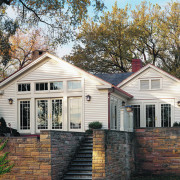
ProVia Aeris windows installed in a Wilmington, DE home

Wood-Clad vs. Vinyl Windows: Why Delaware Homeowners Are Choosing ProVia’s Aeris Line

Anyone who’s shopped for replacement windows has run into the same fork in the road: do you go with real wood for the warmth and character, or vinyl for the low maintenance and price? It’s one of the oldest debates in the window industry — and in a Mid-Atlantic climate like ours, it’s a decision that carries more weight than most homeowners realize.

Delaware doesn’t have a gentle climate. We get humid, sticky summers pulling moisture off the Delaware Bay and the Atlantic, followed by winters that swing between freezing nights and 50-degree thaws. That combination — heat, humidity, and repeated freeze-thaw cycling — is exactly the environment that’s hardest on a traditional wood window, and it’s a big part of why we steer so many New Castle County homeowners toward ProVia’s Aeris line instead of making them choose one material or the other.

Why Traditional Wood Windows Struggle in Our Climate

Wood windows have always had a genuine appeal: warmth, the ability to stain or paint them to match your home’s interior trim, and a traditional look that vinyl has historically struggled to replicate. But wood is also a natural material, and natural materials react to moisture. In a climate where humidity levels climb through the summer and exterior wood trim is exposed to rain, snow, and constant temperature swings, solid wood window frames are prone to swelling, warping, and eventually rotting at the joints and sill — especially on the exterior-facing side of the window, which takes the brunt of the weather.

That’s not a knock on wood as a material. It’s just a mismatch between a moisture-sensitive material and a moisture-heavy climate. Homeowners in older Wilmington neighborhoods with original wood windows know this firsthand — by the time those windows are 30 or 40 years old, most have paint failure, soft spots in the sill, or sashes that no longer seal properly. If you’re seeing any of that on your own windows, our post on signs it’s time to replace your windows walks through what to look for.

Why All-Vinyl Isn’t Always the Right Trade-Off Either

All-vinyl windows solved the moisture problem. Vinyl doesn’t rot, doesn’t need repainting, and holds up well against humidity and freeze-thaw cycling — which is exactly why lines like Endure are such a popular, practical choice across the region.

But something gets lost in the trade: the interior look. For homeowners with existing wood trim, cabinetry, or millwork — common in older homes throughout Wilmington, Hockessin, and Greenville — an all-vinyl window interior can feel out of place next to stained wood door casings and baseboards. It’s a real aesthetic trade-off, not just a preference, and it’s the reason so many homeowners get stuck between “I want it to hold up” and “I want it to match.”

Aeris: Engineered Specifically to Solve This Trade-Off

This is exactly the gap ProVia’s Aeris line was designed to close. Instead of forcing a choice between wood and vinyl, Aeris windows use both — strategically, on the sides of the window that actually need each material’s strengths.

The exterior of an Aeris window is built from a proprietary, European-formulated vinyl compound engineered specifically for durability, moisture resistance, and corrosion resistance — the side of the window that faces our humidity, storms, and temperature swings is the side that’s built to shrug them off. The interior, meanwhile, is genuine oak, cherry, or maple wood, factory-finished and available in a wide range of stain and paint options so it can be matched to existing trim. The two materials aren’t just paired together; they’re integrated through an engineered system that bonds the wood securely to the vinyl frame and sash, so it functions as a single, unified window rather than a wood window with a vinyl add-on.

The result is a window where the exterior does the weather-fighting and the interior does the aesthetic work — which is precisely the split that makes sense in a climate like Delaware’s, where exterior exposure is the real threat to a window’s lifespan, not the interior environment of a climate-controlled home.

What This Means in Practice

  • Exterior: Vinyl construction resists the moisture, humidity, and freeze-thaw cycling that cause wood to swell, warp, or rot over time — with no repainting or re-staining required outside.
  • Interior: Real wood grain in oak, cherry, or maple, finished with your choice of stain or paint, so it can be matched to existing door and window trim inside your home.
  • Energy performance: Aeris windows are independently tested and ENERGY STAR® certified, and use graphite foam insulation within the frame for added thermal performance — worth understanding alongside our breakdown of U-factor and Solar Heat Gain Coefficient if you’re comparing efficiency ratings across brands.
  • Construction: The same welded frame-and-sash construction and barrier-fin/bulb-seal weatherstripping used across ProVia’s other lines, so you’re not sacrificing structural quality for the wood-clad interior.

If you want the full technical rundown on how these materials are engineered together, ProVia’s own page on wood-clad vinyl construction goes deeper into the science behind the vinyl compound itself.

Where We See Aeris Make the Most Sense in New Castle County

Not every home needs a wood-clad window — and Aeris does come at a higher price point than an all-vinyl line like Endure or Aspect, which we cover in our full ProVia brand comparison. But there are a few situations where it consistently comes out ahead for the homeowners we work with:

  • Historic and period homes in and around Wilmington, Trolley Square, and Greenville, where matching original wood interior trim is a priority for resale value and curb appeal.
  • Whole-house renovations where the interior design already leans heavily on natural wood tones — cabinetry, flooring, doors — and a stark white vinyl interior would stand out for the wrong reasons.
  • Homeowners who’ve been burned by wood window maintenance before and want the look without repainting, caulking, or re-glazing every few years.
  • Higher-end remodels where the window itself is a visible design feature, not just a functional replacement — bay and bow installations, large picture windows, or window walls where the interior finish is highly visible.

If your project is more budget- or rental-driven, or if you’re replacing windows throughout a home where interior wood tone isn’t a major factor, an all-vinyl ProVia line is often the more practical choice — and that’s a conversation worth having before you commit to a material. Our post on return on investment for replacement windows is a good starting point for weighing cost against long-term value either way.

Get Your Buyers Guide for Replacment Windows

Moisture Resistance Matters More Than Most Homeowners Realize

One thing we see often in this region: homeowners assume window “moisture problems” only mean drafts or poor insulation, when in reality, sustained humidity exposure is what shortens the lifespan of a window frame itself — wood especially. If you’re noticing fogging, condensation, or soft spots around your current windows, it’s worth understanding what’s actually happening before you decide on a replacement material. Our guide to window moisture issues breaks down the difference between normal seasonal condensation and a sign that your current windows have already failed.

Talk to a Local ProVia Aeris Dealer

Choosing between wood, vinyl, and wood-clad vinyl isn’t just a style decision in Delaware — it’s a decision about how your windows will hold up against a genuinely tough Mid-Atlantic climate. As a certified ProVia dealer serving New Castle County, American Craftsmen can show you Aeris windows in person, walk through stain and paint options against your home’s existing trim, and help you decide whether Aeris — or one of ProVia’s all-vinyl lines — is the right fit for your project. Contact us to schedule a free consultation.

Provia Aeris Windows

Endure vs. Aeris vs. Aspect vs. ecoLite: Which ProVia Window Line Is Right for Your New Castle County Home?

If you’ve spent any time browsing ProVia’s window lineup, you’ve probably noticed something: ProVia doesn’t sell “a window.” It sells four distinct window brands — Aeris, Endure, Aspect, and ecoLite — each engineered for a different combination of budget, style, and performance.

For homeowners in New Castle County, that’s a good problem to have. But it also means the question isn’t “should I buy ProVia windows?” It’s “which ProVia line actually fits my house, my budget, and our Delaware weather?”

As a certified ProVia dealer, American Craftsmen installs all four lines throughout Wilmington, Newark, Middletown, Hockessin, and the surrounding area, so we get this question constantly. Below is a straightforward, side-by-side breakdown of how the four brands differ, what’s actually inside each window, and which one tends to make the most sense depending on your project.

A Quick Overview of the ProVia Window Family

Every ProVia window — regardless of brand — shares the same DNA: a 3¼” frame depth, welded frame and sash construction, an integral interlock at the meeting rail on double hung and slider styles, and barrier-fin and bulb-seal weatherstripping designed to keep water and air out. That shared engineering is why we consider all four lines “professional-class” windows rather than big-box, one-size-fits-all replacements.

From there, the brands split based on materials, color and glass options, and price point. Here’s the breakdown:

Aeris™ Windows — The Wood-Look, Vinyl-Performance Choice

Aeris is ProVia’s premium line, built for homeowners who want the warmth of real wood on the interior without the maintenance headaches that come with actual wood windows. Aeris pairs a maintenance-free vinyl exterior with a genuine wood-clad interior — oak, cherry, or maple — that can be stained or painted to match your home’s trim and cabinetry.

  • Styles available: Double hung, slider, casement & awning, picture, bay & bow, architectural shapes
  • Color options: 4 exterior vinyl/laminate colors, plus 25 stain and 19 paint interior finishes
  • Glass: 8 glass options across 13 glass packages
  • Construction: Graphite foam insulation and the same welded frame/sash and weatherstripping found across the ProVia line

Aeris is the line we most often recommend for historic homes in Wilmington’s older neighborhoods or period-style homes in Hockessin and Greenville, where matching original wood trim matters. It’s also our go-to for homeowners doing a full exterior renovation who want a designer look, not just a functional replacement. On our site, you can see the full breakdown on our Aeris windows page.

Endure™ Windows — The Energy-Efficiency and Color Leader

Endure is ProVia’s flagship all-vinyl line, and it’s the one we sell most often in New Castle County. It matches Aeris on color and glass flexibility — 4 exterior colors and 8 interior colors — while adding SunShield® vinyl and INNERGY® thermal reinforcements, which help the frame resist warping and improve structural rigidity in extreme temperature swings. That matters here: Delaware’s climate runs from humid, 90-degree summers to freezing winter nights, and frame stability under that kind of thermal cycling is exactly what keeps a window sealing properly ten years down the road.

  • Styles available: Double hung, single hung, slider, single slider, casement & awning, picture, garden, hopper, bay & bow, architectural shapes — the widest style selection of any ProVia line
  • Color options: 4 exterior vinyl/laminate colors, 8 interior colors
  • Glass: 8 glass options across 13 glass packages
  • Construction: SunShield® vinyl, INNERGY® thermal reinforcements, graphite foam insulation

Because Endure covers essentially every window style ProVia makes — including hoppers and garden windows that Aeris doesn’t offer — it’s usually the right call for a whole-house replacement where you need consistency across bedrooms, basements, and kitchens. We’ve written more about the technology behind this line in our guide to Endure windows.

Aspect™ Windows — The Mid-Range Sweet Spot

Aspect is built for homeowners who want ProVia’s core engineering — welded construction, INNERGY® thermal reinforcement, the same weatherstripping system — without paying for the full color and glass catalog that comes with Endure or Aeris.

  • Styles available: Double hung, slider, casement & awning, picture, garden, hopper, bay & bow, architectural shapes
  • Color options: 3 exterior vinyl colors, 3 interior colors
  • Glass: 6 glass options across 13 glass packages
  • Construction: SunShield® vinyl, INNERGY® thermal reinforcements, same weatherstripping as Endure

Aspect still offers the full 13 glass packages, so you’re not sacrificing performance — you’re sacrificing color and finish variety. It’s a strong choice for rental properties, investment homes, or homeowners in Newark and Middletown who want ProVia-grade durability on a tighter renovation budget. See our dedicated page on Aspect windows for more detail.

ecoLite™ Windows — The Budget-Friendly Entry Point

ecoLite is ProVia’s economy-class line: a single exterior color (white), a single interior color, and a smaller glass package selection — 3 glass options across 5 packages. What it doesn’t sacrifice is the fundamental build quality: welded frame and sash, the same barrier-fin and bulb-seal weatherstripping, and the same 3¼” frame depth as the other three lines.

  • Styles available: Double hung, single hung, slider, single slider, picture, hopper, architectural shapes
  • Color options: 1 exterior color (white), 1 interior color
  • Glass: 3 glass options across 5 glass packages
  • Construction: SunShield® vinyl, welded frame & sash, barrier-fin and bulb seal weatherstripping

ecoLite makes the most sense for flip properties, rental units, or homeowners who simply want a reliable, no-frills white vinyl window without the upcharge for extended color or grid options. It’s on our site under ProVia ecoLite windows.

Side-by-Side Comparison

Aeris™Endure™Aspect™ecoLite™
PositionPremium, wood-cladFlagship, all-vinylMid-rangeEconomy
Exterior colors4431 (white)
Interior finishes25 stain / 19 paint831
Glass options8 (13 packages)8 (13 packages)6 (13 packages)3 (5 packages)
Style variety6 style categories10 style categories8 style categories7 style categories
Best forHistoric/high-design homesWhole-house replacementBudget-conscious full performanceRentals, flips, basic replacement

Which One Is Right for Your New Castle County Home?

There’s no universally “best” ProVia window — only the best one for your specific house, climate exposure, and budget. A few questions we ask every homeowner during a consultation:

Are you matching existing wood trim or restoring a period home? Aeris is almost always the answer, since its wood-clad interior can be stained to match cabinetry or original millwork found in a lot of older Wilmington and Trolley Square homes.

Are you replacing every window in the house at once? Endure’s broad style range — including hoppers for basements and garden windows for kitchens — means you can standardize on one line across the whole home, which simplifies both the quote and the installation.

Is energy efficiency and long-term value the priority over color choice? Aspect gives you the same INNERGY®-reinforced, welded-frame construction as Endure at a lower price point, provided you’re comfortable with a shorter color list.

Is this a rental, flip, or strictly budget-driven replacement? ecoLite delivers ProVia’s core build quality without paying for options you don’t need.

Since all four lines share the same fundamental frame construction and weatherstripping system, you’re never sacrificing structural quality — you’re choosing how much customization and finish flexibility fits your project and budget. If you want a deeper look at what “professional-class” construction actually means before comparing brands, our guide to energy-efficient windows and our breakdown of U-factor and Solar Heat Gain Coefficient are good starting points, and ProVia’s own Energy Star page explains the certification standard that Endure, Aeris, and Aspect all meet.

Get Our Replacement Windows Buyers Guide

Explore by Window Style

Once you’ve narrowed down a brand, the next decision is style. American Craftsmen installs the full range of ProVia window types across New Castle County:

And if you’re still deciding whether it’s the right time to replace at all, our posts on signs it’s time to replace your windows, window condensation and moisture issues, and return on investment for replacement windows can help you build the case before you even talk about brands.

Talk to a Local ProVia Dealer

Every home is different, and the right ProVia line often comes down to details you can only evaluate in person — existing frame condition, sun exposure, and how the window ties into the rest of your home’s exterior. As a local, certified ProVia dealer, American Craftsmen can walk you through Aeris, Endure, Aspect, and ecoLite side by side and recommend the line that fits your New Castle County home, your style, and your budget. Contact us to schedule a free window consultation.

Provia Aeris Windows

Upgrade Your Home with Provia Aeris Windows for Window Replacement

Provia Aeris Windows for Window Replacement

Introduction to Provia Aeris Windows

When it comes to upgrading your home, one area that often gets overlooked is the windows. However, replacing your windows can have a significant impact on the overall look, feel, and functionality of your home. One brand that stands out in the window replacement industry is Provia Aeris Windows. Provia Windows are known for their exceptional quality, durability, and energy efficiency. In this article, we will explore the benefits of upgrading your home with Aeris Windows by Provia, including their energy efficiency and cost savings, enhanced home security features, and customization options.

Benefits of Upgrading Your Home with Provia Aeris Windows

One of the primary benefits of upgrading your home with Provia Aeris Windows is the improvement in energy efficiency. These windows are designed with advanced technology that helps to reduce heat transfer, keeping your home cooler in the summer and warmer in the winter. According to the U.S. Department of Energy, windows account for up to 30% of a home’s energy loss. By upgrading to Provia Windows, you can significantly reduce your energy consumption and save on your utility bills.

In addition to energy efficiency, Provia Aeris Windows also offer superior durability and longevity. These windows are constructed with high-quality materials that are designed to withstand harsh weather conditions, such as strong winds and heavy rain. The frames are made from a composite material that is resistant to rot, decay, and insect damage. This means that you can enjoy the benefits of your new windows for many years to come, without worrying about constant maintenance or replacement.

Enhancing Home Security with Provia Aeris Windows

Home security is a top priority for homeowners, and Provia Aeris Windows excel in this area as well. These windows are equipped with advanced locking mechanisms and reinforced frames, providing an added layer of protection against break-ins and intruders. According to the Federal Bureau of Investigation, a burglary occurs every 25.7 seconds in the United States. By upgrading to Provia Aeris Windows, you can have peace of mind knowing that your home is secure and protected.

Customization Options for Provia Aeris Windows

Provia Aeris Windows offer a wide range of customization options, allowing you to create a look that perfectly complements your home’s style and architecture. You can choose from various frame colors, grid patterns, and glass options to create a unique and personalized look. Whether you prefer a traditional or modern aesthetic, Provia Aeris Windows can be customized to suit your taste and preferences.

Conclusion: Why Provia Aeris Windows are the Ideal Choice for Window Replacement

In conclusion, upgrading your home with Provia Aeris Windows is a wise investment that offers numerous benefits. From energy efficiency and cost savings to enhanced home security and customization options, These windows excel in every aspect. By choosing Provia Windows for your window replacement project, you can improve the overall comfort, functionality, and aesthetics of your home. So why settle for outdated, inefficient windows when you can upgrade to Provia and enjoy all the advantages they have to offer? Upgrade your home today and experience the difference that Provia Aeris Windows can make.

Contact American Craftsmen LLC, Delaware’s leading Provia Window installer.

vinly replacement windows

Why Provia Aspects Windows Are a Smart Investment for Your Home

Why Provia Aspects Windows for Window Replacement

Windows play a crucial role in our homes, providing natural light, ventilation, and a connection to the outside world. When it comes to choosing windows for your home, it’s important to consider not only their aesthetic appeal but also their functionality and long-term benefits. Provia Aspects Windows are an excellent choice for homeowners looking to make a smart investment in their homes. With their energy efficiency, enhanced security features, superior durability, and stylish design, Provia Aspects Windows offer a range of benefits that make them a wise choice for any homeowner.

Energy Efficiency and Cost Savings

One of the key advantages of Provia Aspects Windows is their exceptional energy efficiency. These windows are designed with advanced technologies that help to minimize heat transfer, keeping your home cool in the summer and warm in the winter. According to the U.S. Department of Energy, windows account for up to 30% of a home’s energy loss. By investing in energy-efficient windows like Provia Aspects, homeowners can significantly reduce their energy consumption and save on utility bills.

Provia Aspects Windows are equipped with Low-E glass, which has a microscopically thin coating that reflects heat back into the room during the winter and blocks heat from entering during the summer. This helps to maintain a comfortable indoor temperature year-round, reducing the need for excessive heating or cooling. In fact, studies have shown that energy-efficient windows can save homeowners up to 15% on their energy bills.

Enhanced Security and Safety Features

When it comes to the safety and security of your home, Provia Aspects Windows offer peace of mind. These windows are built with reinforced frames and multiple locking points, making them highly resistant to break-ins. According to the Federal Bureau of Investigation, approximately 25% of all burglaries occur through a window or door. By investing in windows with enhanced security features, homeowners can significantly reduce the risk of a break-in and protect their loved ones and belongings.

Provia Aspects Windows also prioritize safety by incorporating features such as laminated glass, which is designed to hold together when shattered, preventing injury from flying glass shards. This is particularly important in areas prone to severe weather conditions, such as hurricanes or tornadoes. By choosing windows that prioritize safety, homeowners can ensure the well-being of their families and minimize potential damage to their homes.

Superior Durability and Low Maintenance

Provia Aspects Windows are built to last. Constructed with high-quality materials and advanced manufacturing techniques, these windows offer superior durability and resistance to wear and tear. Unlike traditional windows that may warp, crack, or fade over time, Provia Aspects Windows are designed to withstand the elements and maintain their structural integrity for years to come.

Furthermore, these windows require minimal maintenance, saving homeowners time and effort. The frames are made from durable materials that do not require painting or staining, and the glass is treated with a protective coating that repels dirt and water, making cleaning a breeze. By investing in low-maintenance windows like Provia Aspects, homeowners can enjoy the benefits of beautiful, functional windows without the hassle of constant upkeep.

Stylish Design and Increased Home Value

In addition to their functional benefits, Provia Aspects Windows also offer a stylish design that can enhance the overall aesthetic appeal of your home. These windows are available in a variety of styles, colors, and finishes, allowing homeowners to choose the perfect option that complements their home’s architecture and personal style. Whether you prefer a classic look or a more contemporary design, Provia Aspects Windows offer endless possibilities to suit your taste.

Moreover, investing in high-quality windows can significantly increase the value of your home. According to a study conducted by the National Association of Realtors, window replacement projects can recoup up to 72% of their cost upon resale. By choosing Provia Aspects Windows, homeowners can not only enjoy the benefits of energy efficiency, security, and durability but also potentially increase the resale value of their homes.

Conclusion

Provia Aspects Windows are a smart investment for any homeowner. With their energy efficiency, enhanced security features, superior durability, and stylish design, these windows offer a range of benefits that make them a wise choice. By choosing Provia Aspects Windows, homeowners can enjoy cost savings on energy bills, enhanced safety and security, low maintenance requirements, and increased home value. So why wait? Upgrade your windows today and reap the rewards for years to come.

Contact American Craftsmen LLC for all your Provia Window needs.

FineLine welded vinyl window frame corner detail

Energy Efficiency at its Best: Provia Ecolite Windows

Introduction to Provia Ecolite Windows

Provia Ecolite Windows are a revolutionary product in the world of energy-efficient windows. Designed with cutting-edge technology and superior craftsmanship, these windows offer a range of benefits that go beyond traditional windows. Provia Ecolite Windows are known for their exceptional energy efficiency, durability, and aesthetic appeal. Whether you are building a new home or renovating an existing one, these windows are a smart investment that will not only enhance the beauty of your space but also save you money on energy bills.

Key Features and Benefits of Provia Ecolite Windows

One of the key features of Provia Ecolite Windows is their advanced insulation technology. These windows are designed with a multi-chambered frame and sash system, which helps to reduce heat transfer and improve energy efficiency. The frames are made from high-quality vinyl, which is not only durable but also provides excellent thermal insulation. This means that Provia Ecolite Windows can effectively keep the heat out during the summer and retain warmth during the winter, resulting in significant energy savings.

Another notable feature of Provia Ecolite Windows is their Low-E glass. This special coating on the glass helps to reflect heat back into the room, preventing it from escaping through the windows. This feature is particularly beneficial in colder climates, where heat loss through windows can account for a significant portion of energy consumption. By reducing heat loss, Provia Ecolite Windows can help homeowners reduce their reliance on heating systems, resulting in lower energy bills.

In addition to their energy efficiency, Provia Ecolite Windows also offer enhanced security features. These windows are equipped with a multi-point locking system, which provides added protection against break-ins. The frames are reinforced with steel, making them highly resistant to forced entry. This not only gives homeowners peace of mind but also adds value to their property.

How Provia Ecolite Windows Improve Energy Efficiency

Provia Ecolite Windows are designed to maximize energy efficiency in several ways. Firstly, the multi-chambered frame and sash system create a barrier that reduces heat transfer. This means that less heat is lost during the winter and less heat is gained during the summer, resulting in a more comfortable indoor environment and reduced energy consumption.

The Low-E glass used in Provia Ecolite Windows is another key factor in their energy efficiency. This special coating reflects heat back into the room, preventing it from escaping through the windows. According to the U.S. Department of Energy, windows with Low-E coatings can reduce energy loss by up to 50%. This means that homeowners can enjoy a more consistent indoor temperature without relying heavily on heating or cooling systems, leading to significant energy savings.

Furthermore, Provia Ecolite Windows are designed to minimize air leakage. The frames are precision-engineered to create a tight seal, preventing drafts and reducing the need for heating or cooling. According to the U.S. Environmental Protection Agency, air leakage through windows can account for up to 30% of a home’s heating and cooling costs. By minimizing air leakage, Provia Ecolite Windows help homeowners save money on energy bills and reduce their carbon footprint.

Case Studies: Real-Life Examples of Energy Savings with Provia Ecolite Windows

Numerous case studies have demonstrated the energy-saving potential of Provia Ecolite Windows. For example, a study conducted by the National Fenestration Rating Council (NFRC) found that homeowners who replaced their old windows with Provia Ecolite Windows experienced an average energy savings of 15-20%. This translates to significant cost savings over time, making Provia Ecolite Windows a wise investment for homeowners.

Comparing Provia Ecolite Windows to Other Energy-Efficient Window Options

When it comes to energy-efficient windows, Provia Ecolite Windows stand out from the competition. While there are other options available on the market, Provia Ecolite Windows offer a unique combination of features and benefits that make them the best choice for energy efficiency.

Compared to traditional single-pane windows, Provia Ecolite Windows offer superior insulation and reduced heat transfer. According to the U.S. Department of Energy, replacing single-pane windows with energy-efficient windows can save homeowners up to $465 per year in heating and cooling costs. Provia Ecolite Windows go above and beyond in terms of energy efficiency, providing even greater savings and comfort.

Why Provia Ecolite Windows are the Best Choice for Energy Efficiency

In conclusion, Provia Ecolite Windows are the best choice for homeowners looking to improve energy efficiency in their homes. With their advanced insulation technology, Low-E glass, and tight seal, these windows offer exceptional energy savings and comfort. The durability and security features of Provia Ecolite Windows further enhance their value, making them a smart investment for any homeowner.

By choosing Provia Ecolite Windows, homeowners can enjoy a more comfortable indoor environment, lower energy bills, and reduced carbon footprint. With their proven track record of energy savings and numerous benefits, it is clear that Provia Ecolite Windows are the best choice for energy efficiency. Upgrade your windows today and experience the difference for yourself.

Contact American Craftsmen LLC, Delaware’s Leading Provia Window Installer.