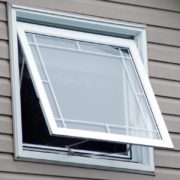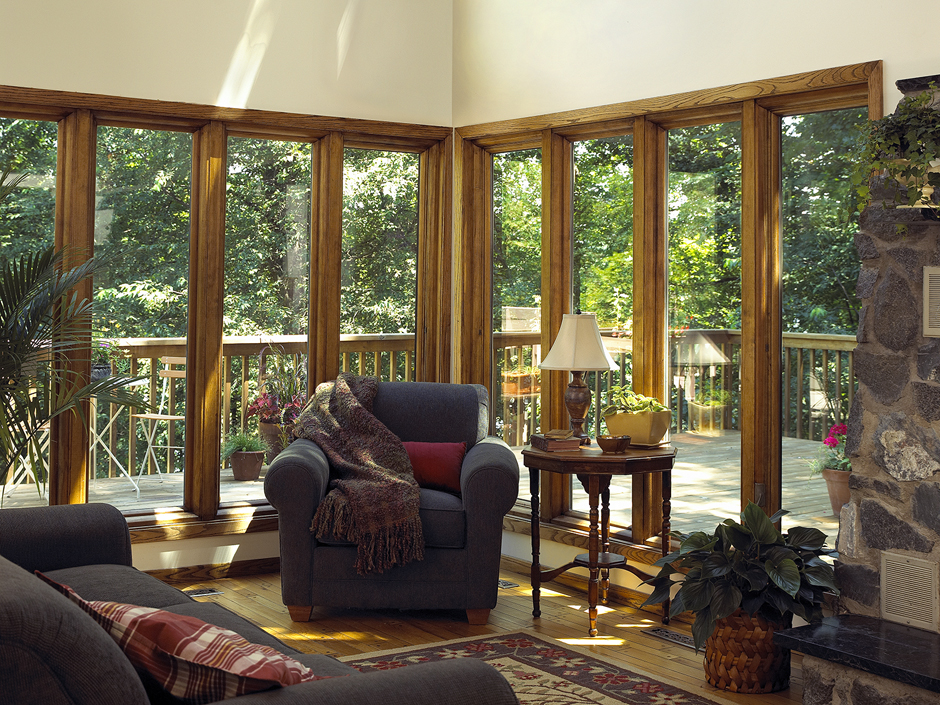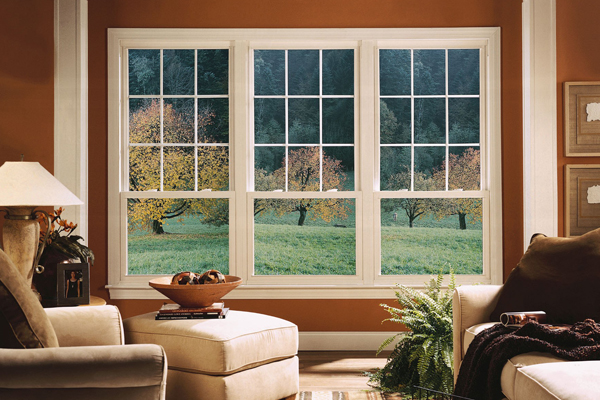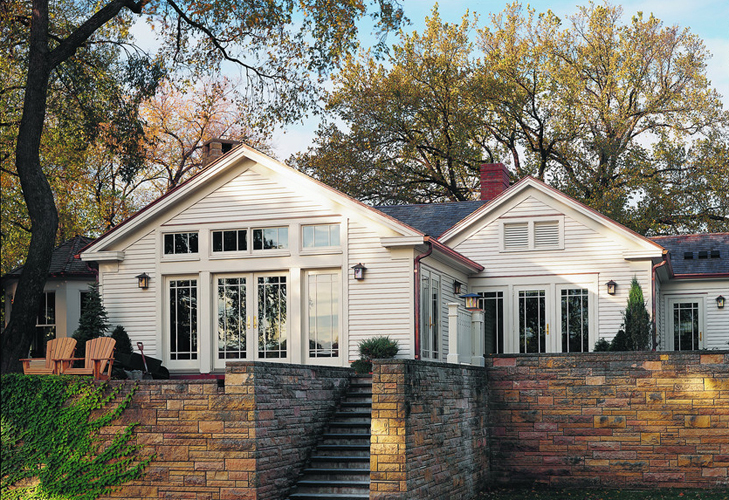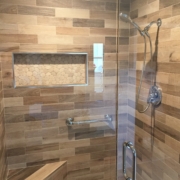
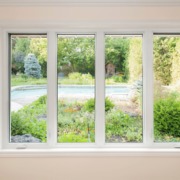
ProVia Aeris windows installed in a Wilmington, DE home

Vinyl vs. Wood-Clad vs. Composite: A Delaware Homeowner’s Guide to Window Materials in 2026

If you’ve started researching replacement windows, you’ve probably noticed the same problem we hear about constantly: most guides online are written for a national audience, which means the advice is generic enough to apply anywhere — and not specific enough to actually help you decide what’s right for a home in New Castle County. Climate matters more than most articles let on, and a window material that makes sense in Phoenix isn’t necessarily the right call in Wilmington.

This guide focuses on the three window materials that actually make sense to consider for a real replacement project here in 2026: vinyl, wood-clad, and composite. (Solid wood and bare aluminum frames still exist in the market, but for most homeowners replacing windows today, they’ve largely been surpassed by these three options on cost, maintenance, or performance — so we’re not spending time on them here.) Here’s how the three compare, honestly, including where each one falls short.

Vinyl Windows

Vinyl windows are frames made from rigid PVC — the same category of durable, weather-resistant plastic used in a huge range of building products. It became a mainstream replacement window material starting in the 1970s, largely because it solved the biggest problem with wood: it doesn’t rot, doesn’t need repainting, and holds up well against moisture.

Advantages:

  • Cost. Vinyl is consistently the most affordable of the three materials, both in material cost and typically in installation.
  • Low maintenance. No painting, staining, or sealing required — occasional cleaning is the extent of it.
  • Moisture and insect resistance. Vinyl doesn’t absorb water, rot, or attract wood-boring insects, which matters in a humid Mid-Atlantic climate.
  • Energy efficiency. Modern vinyl frame engineering — multi-chamber construction, thermal reinforcement, insulated cavities — has closed much of the performance gap that used to separate cheap vinyl from premium materials.

Drawbacks:

  • Color and finish options vary by manufacturer. Older or budget vinyl windows are often limited to white or a small handful of colors, and painting vinyl after the fact generally isn’t recommended.
  • Reputation lag. Vinyl has a decades-old reputation for looking cheap, which was fair criticism of older, thinner, poorly engineered vinyl — but it’s an outdated generalization when it comes to today’s professional-class vinyl construction.
  • Not repairable in the same way as wood. A damaged vinyl frame is typically replaced rather than refinished.

That reputation gap is exactly why we spend time explaining the actual construction behind higher-end vinyl in our breakdown of what makes a window “professional-class” — welded corners, thermal reinforcement, and insulated cavities put a well-engineered vinyl window in a different category from what “vinyl window” used to mean 20 years ago.

Wood-Clad Windows

Wood-clad windows use real wood — typically oak, cherry, or maple — on the interior, paired with a protective, low-maintenance exterior material (usually vinyl or aluminum) that shields the wood from weather. The idea is straightforward: put the material that looks best where you see it (inside your home) and the material that holds up best to weather where it takes the abuse (outside your home).

Advantages:

  • Authentic wood aesthetics. Real wood grain, stainable and paintable to match existing trim — something no vinyl or composite interior can fully replicate.
  • Strong insulation. Wood is a naturally good insulator, and wood-clad construction generally performs well on energy efficiency.
  • No exterior maintenance. The cladding material handles weather exposure, so you get wood’s look without wood’s upkeep — no repainting or resealing the exterior every few years.

Drawbacks:

  • Higher cost. Wood-clad windows are the most expensive of the three materials, generally by a meaningful margin over vinyl.
  • Fewer manufacturers. Not every window brand offers a true wood-clad product, which can narrow your options compared to shopping for vinyl.
  • Interior finish still needs occasional attention. While the exterior is maintenance-free, the interior wood finish can be affected by things like sustained indoor humidity or direct sun exposure over time.

We’ve written a full breakdown of this category and its fit for our climate specifically in Wood-Clad vs. Vinyl Windows: Why Delaware Homeowners Are Choosing ProVia’s Aeris Line, if this is the direction you’re leaning.

Composite Windows

Composite windows are a newer category, built from a blended material — typically wood fiber or wood particles combined with a thermoplastic polymer or resin. The goal is to capture some of wood’s insulating and aesthetic qualities while engineering out wood’s biggest weaknesses: rot, warping, and moisture absorption.

Advantages:

  • Durability. Composite material resists rot and warping better than solid wood, and generally holds up well structurally over time.
  • Good insulation. Composite materials tend to perform comparably to wood or wood-clad options on thermal efficiency.
  • Low maintenance. Like vinyl, composite exteriors typically don’t require repainting or resealing.

Drawbacks:

  • Cost. Composite windows are typically priced higher than vinyl, often closer to wood-clad pricing.
  • Fewer color and finish options than vinyl. Ironically, despite being marketed on design flexibility, composite windows often have a narrower color range than modern vinyl lines.
  • Fading over time. Depending on the specific composite formulation, some products are more prone to UV fading than vinyl or properly clad wood.
  • More complex repairs. Because composite material is a blend rather than a single, well-understood material like vinyl or wood, repairs can be more involved if something does go wrong.
  • Limited local availability. Composite is a newer, less standardized category, and not every manufacturer — including ProVia, the line we install — produces a true composite window. If a composite window is specifically what you’re after, that will point you toward a different manufacturer than the wood-clad vinyl and professional-class vinyl lines we specialize in.

We think that last point is worth being upfront about rather than glossing over: we’re a ProVia dealer, and ProVia’s window lineup is built on vinyl and wood-clad vinyl construction, not composite. That’s a real, honest limitation to disclose — and also part of why we’d rather walk you through where vinyl and wood-clad actually stack up well against composite’s advantages, rather than pretend composite isn’t a legitimate option.

Side-by-Side: How the Three Compare

VinylWood-CladComposite
Typical cost$$$$$$–$$$
MaintenanceMinimalMinimal exterior, some interior careMinimal
Moisture/rot resistanceExcellentExcellent (exterior)Good
InsulationGood to excellent (varies by construction)ExcellentGood to excellent
Interior aestheticVinyl/laminate finishReal wood grainWood-look, not real wood
Color/finish flexibilityVaries widely by manufacturerWide (paint/stain options)Often more limited than expected
Manufacturer availabilityWidestModerateNarrowest

Which Material Actually Fits a Delaware Home

Our climate is the deciding factor more than most homeowners initially expect. New Castle County deals with humid summers, cold winters, and real freeze-thaw cycling — conditions that punish any material with weak moisture resistance and reward anything engineered specifically to withstand repeated expansion and contraction. This is the same climate argument we cover in more depth in our ENERGY STAR and climate zone guide: Delaware sits in a zone that demands solid performance against both heating and cooling loads, not just one or the other.

In practice, here’s how we see homeowners land on a decision:

  • Budget-driven, whole-house replacements almost always land on vinyl — the cost efficiency and low maintenance make it the practical choice for most homes, especially when you’re replacing every window rather than a handful of accent windows.
  • Design-focused remodels, historic homes, and homeowners matching existing wood trim tend toward wood-clad, since no vinyl or composite interior fully replicates real stainable wood grain.
  • Homeowners specifically drawn to composite’s marketing are often actually looking for what wood-clad vinyl already delivers — rot resistance, low maintenance, and strong insulation — without realizing wood-clad vinyl frequently matches or beats composite on those exact points, often at a more competitive price and with wider manufacturer support.

Why We Lean on Vinyl and Wood-Clad Vinyl for Most Projects

We install ProVia specifically because their engineering closes most of the gap that used to separate “cheap vinyl” from premium alternatives like composite. SunShield® vinyl, INNERGY® thermal reinforcement, and insulated frame cavities give ProVia’s all-vinyl lines — Endure, Aspect, and ecoLite — durability and energy performance that competes directly with composite’s advantages, at a lower price point and with far broader color, glass, and style availability. And for homeowners who specifically want the wood-clad category, Aeris delivers genuine wood-clad construction rather than a wood-look composite imitation.

If you’re still narrowing down which specific ProVia line fits your project and budget, our full brand comparison of Endure, Aeris, Aspect, and ecoLite is the natural next step — it breaks down exactly what’s standard on each line so you can match a specific product to the material category that makes sense for your home.

Talk to a Local Installer Before You Decide

Every one of these materials has a legitimate use case — the right answer depends on your budget, your home’s style, and how much you value real wood aesthetics versus low-maintenance simplicity. As a certified ProVia dealer in New Castle County, American Craftsmen can walk you through vinyl and wood-clad vinyl options in person, show you real installed examples, and help you land on the material that actually fits your project rather than whichever one has the best marketing. Contact us to schedule a free consultation.
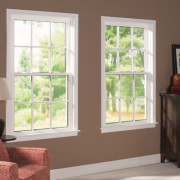
ENERGY STAR window label showing U-factor and SHGC ratings

ENERGY STAR Certified Windows in Delaware: What It Means for Your Utility Bills

The ENERGY STAR label shows up on everything from refrigerators to light bulbs, and it’s easy to assume it means roughly the same thing no matter what product it’s stamped on. With windows, that assumption can actually cost you money — because unlike a dishwasher, an ENERGY STAR-certified window doesn’t meet one single national standard. It meets a standard specific to where you live. A window that qualifies for ENERGY STAR certification in Arizona might not qualify in Delaware, and vice versa.

We’ve already covered the technical side of window performance in our guide to U-factor and Solar Heat Gain Coefficient. This article is about the certification itself — what ENERGY STAR actually requires for a home in New Castle County specifically, and what that translates to in real utility bill savings.

ENERGY STAR Isn’t Just a Sticker — It’s a Regional Standard

To carry the ENERGY STAR label, a window has to be independently tested and rated through the National Fenestration Rating Council (NFRC), which measures the whole window’s performance — frame and glass together, not just the glass on its own. Those ratings are then checked against ENERGY STAR’s published criteria, which vary by climate zone.

The U.S. is divided into four ENERGY STAR window climate zones: Northern, North-Central, South-Central, and Southern. Each zone has its own required U-factor and Solar Heat Gain Coefficient (SHGC) thresholds, because a window built to hold in heat for a Minnesota winter isn’t solving the same problem as a window built to block solar heat gain in Phoenix. A window can be ENERGY STAR certified in one zone and not certified in another, which is why the label always specifies which zone(s) a given product qualifies for.

Delaware Falls in the North-Central Zone

New Castle County — and Delaware generally — sits in ENERGY STAR’s North-Central climate zone, which covers much of the Mid-Atlantic along with parts of the lower Midwest. That classification exists for a reason: unlike the Northern zone (heating-dominated, long cold winters) or the Southern zone (cooling-dominated, mild winters), the North-Central zone deals with meaningful heating and cooling loads across the year. That matches our actual weather here — cold winters that call for insulation, and humid, hot summers that call for solar heat control, which is the same seasonal swing we’ve talked about in our post on why Delaware’s climate is tough on windows generally.

Because of that dual burden, North-Central zone requirements are stricter than what you’d see in a milder climate, but not as heating-focused as what’s required further north.

The Actual Numbers: What Certification Requires Here

Under ENERGY STAR’s current Version 7.0 criteria (effective since October 2023), windows sold and certified for the North-Central zone must meet:

  • U-factor of 0.25 or lower — a meaningfully stricter requirement than the previous 0.30 threshold, reflecting how much more effectively a window needs to resist heat transfer to earn certification today.
  • SHGC of 0.40 or lower — controlling how much solar heat is allowed to pass through the glass, relevant for keeping cooling costs down during our humid summers.

If those numbers don’t mean much on their own, our U-factor and SHGC guide breaks down what each one actually measures. The short version: a lower U-factor means less heat escapes through the window in winter, and a lower SHGC means less unwanted solar heat builds up indoors in summer — and North-Central zone certification requires a window to perform reasonably well at both simultaneously, not just one or the other.

What This Actually Means for Your Utility Bills

This is the part homeowners actually care about, and the honest answer is: it depends on what you’re replacing, but the ranges are well documented by the EPA.

  • Replacing single-pane windows with ENERGY STAR certified windows saves an estimated $101 to $583 per year nationally, depending on climate and home size. For the North-Central zone specifically, EPA-based modeling puts the average closer to roughly $490 per year for a whole-home single-pane replacement.
  • Replacing older double-pane windows (especially ones with failed seals or outdated glass) typically saves $27 to $197 per year, since the baseline performance you’re replacing is already better than single-pane glass.
  • On average nationwide, ENERGY STAR certified windows reduce heating and cooling costs by up to 13% compared to non-certified products.

For context on why windows matter as much as they do: the U.S. Department of Energy estimates that heat gain and heat loss through windows account for roughly 25 to 30% of a home’s total heating and cooling energy use. That’s a big enough share that upgrading old, leaky, or single-pane windows is one of the more consequential envelope improvements a homeowner can make — right up there with attic insulation.

A few honest caveats: these are estimates, not guarantees. Actual savings depend on your current windows’ condition, your home’s size and insulation, your HVAC system’s efficiency, and your utility rates. A homeowner replacing 40-year-old single-pane windows will see a very different result than someone replacing 15-year-old double-pane units with failed seals. If you’re trying to build the broader financial case before committing to a project, our post on return on investment for replacement windows is a useful next read.

Why the Standard Keeps Changing — and Why That Matters When You Shop

ENERGY STAR isn’t a fixed bar. The program has been updated multiple times since windows were added to its scope in 1998, and the most recent update — Version 7.0 — tightened requirements meaningfully across all four climate zones starting in October 2023. The North-Central zone’s U-factor requirement alone dropped from 0.30 to 0.25, a real jump in what’s required to earn the label today.

The practical takeaway: if you’re comparing window quotes, don’t assume “ENERGY STAR certified” tells you everything. Confirm which version of the standard a product is certified under and which specific climate zone it qualifies for. A window certified years ago under an older, looser version of the standard may not meet today’s North-Central requirements, even if it still carries an ENERGY STAR sticker from when it was manufactured.

Where ProVia Fits Into This

ProVia’s Endure, Aeris, and Aspect window lines are ENERGY STAR certified, and ProVia offers multiple glass packages specifically to help homeowners meet the certification criteria for their particular region — which matters, since not every glass package on every line is necessarily built for North-Central zone requirements specifically. This is part of why the glass and frame engineering we covered in our breakdown of what makes a ProVia window “professional-class” — the ComforTech glazing system, warm-edge spacers, and frame insulation — isn’t just about premium construction for its own sake. It’s what actually gets a window’s tested U-factor and SHGC low enough to clear the North-Central zone bar in the first place.

If you’re comparing options, it’s worth asking your installer directly which glass package on your chosen window line meets current North-Central zone ENERGY STAR criteria — not just whether the brand as a whole carries the label somewhere in its lineup. You can also check current criteria directly on ENERGY STAR’s official site or ProVia’s own ENERGY STAR page.

It’s Not Just the Glass — the Whole Window Has to Perform

One thing worth remembering: the NFRC rating that determines ENERGY STAR eligibility measures the entire window assembly, not just the glass. A high-performance glass package installed in a poorly insulated, poorly sealed frame won’t hit the same U-factor as that same glass in a well-engineered frame. That’s a big part of why frame construction — welded corners, thermal reinforcement, insulated cavities, and proper weatherstripping — factors directly into whether a window actually earns certification, not just how the glass alone is rated in isolation.

Talk to a Local Installer Who Understands Delaware’s Requirements

Choosing ENERGY STAR certified windows is a smart baseline, but making sure you’re getting a product that’s actually certified for North-Central zone performance — not just certified somewhere in the country — is where a knowledgeable local installer earns their keep. As a certified ProVia dealer in New Castle County, American Craftsmen can confirm exactly which glass packages and window lines meet current ENERGY STAR requirements for our climate zone. Contact us to schedule a free consultation.
replacement window contractors

Letting Light in With New Replacement Windows: Transform Your Home

Incorporating natural light into your home can significantly enhance your living environment. By replacing old, inefficient windows with high-quality replacement windows, you can foster a brighter, healthier, and more energy-efficient space. For homeowners in New Castle County, Delaware, and Southeastern PA, American Craftsman LLC offers ProVia windows—a trusted brand renowned for quality and innovation—to help you achieve this transformation. Let’s explore how replacement windows can align with biophilic design principles to promote well-being and comfort.

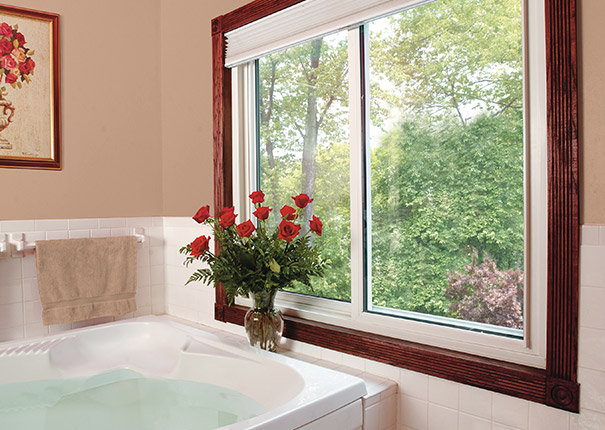
Window replacement letting light into the room.

The Benefits of Natural Light and Biophilic Design

Biophilic design emphasizes creating connections between people and the natural world. This design philosophy fosters environments that reduce stress, promote well-being, and enhance productivity. Natural light plays a crucial role in biophilic design, as it helps regulate circadian rhythms, improves mood, and boosts overall health.

By installing new replacement windows, you can maximize the amount of sunlight entering your home. This simple change can:

  • Brighten interior spaces, reducing the need for artificial lighting.
  • Improve air quality by pairing windows with better ventilation options.
  • Create inviting spaces where family and friends love to gather.

Why Choose ProVia Replacement Windows From American Craftsmen LLC

American Craftsman LLC proudly installs ProVia windows, which are designed to meet the needs of homeowners in New Castle County, Delaware, and Southeastern PA. These windows not only offer outstanding durability but also come in various styles to suit every home’s aesthetic. ProVia windows are energy-efficient, customizable, and crafted with precision, making them the ideal choice for your window replacement project.

Popular Types of Replacement Windows for Your Home

When considering replacement windows, it’s essential to choose styles that align with your needs and preferences. ProVia offers a range of high-quality options, including:

Double Hung Replacement Windows

Double hung windows are a classic choice for many homes. They feature two operable sashes that slide vertically, making them easy to clean and great for improving ventilation. Their timeless design complements both traditional and modern homes.

Slider Replacement Windows

Slider windows glide horizontally along a track, offering a sleek and contemporary look. These windows are perfect for maximizing your view of the outdoors while allowing ample natural light to enter your space.

Picture Replacement Windows

For homeowners seeking to create a stunning focal point, picture windows are an excellent option. These fixed windows offer unobstructed views and let in an abundance of light, making them perfect for living rooms and other gathering spaces.

Bay & Bow Replacement Windows

Bay and bow windows extend outward from the home, adding dimension and elegance. These windows allow light to enter from multiple angles and create cozy nooks perfect for reading or relaxing.

Casement & Awning Replacement Windows

Casement windows open outward with a crank mechanism, providing excellent ventilation and an airtight seal when closed. Awning windows are hinged at the top and open outward, making them ideal for spaces like kitchens and bathrooms.

Garden Replacement Windows

Bring a touch of nature indoors with garden windows. These windows create a small greenhouse-like space that’s perfect for growing herbs, flowers, or small plants while letting in plenty of light.

Hopper Replacement Windows

Hopper windows are hinged at the bottom and open inward, making them a popular choice for basements and other compact spaces. Their efficient design allows for optimal ventilation and natural light.

Architectural Shape Replacement Windows

For those seeking a unique and customized look, architectural shape windows are the way to go. These windows can be designed in various geometric shapes to add character and visual interest to your home.

Energy star rated replacement windows.

How Replacement Windows Enhance Energy Efficiency

In addition to their aesthetic benefits, ProVia replacement windows are engineered for superior energy efficiency. Features such as low-E glass, insulated frames, and weather-resistant seals help maintain indoor comfort while reducing energy bills. This is particularly important for homeowners in New Castle County and Southeastern PA, where seasonal weather changes can impact heating and cooling costs.

The Importance of Professional Window Installation

Proper installation is critical to maximizing the benefits of your new replacement windows. American Craftsman LLC’s team of skilled professionals ensures every window is installed with precision and care. By choosing us, you’re guaranteed high-quality craftsmanship and exceptional customer service.

Let’s Transform Your Home Together

Ready to let the light in and transform your living space? American Craftsman LLC is here to help. With our wide range of ProVia replacement windows, we can bring your vision to life while enhancing your home’s comfort, style, and energy efficiency.

Contact us today to schedule your free in-home estimate. Let’s make your home a brighter, more beautiful place to live.

replacement window contractors

Process To Replacing Your Windows

The Window Replacement Process: What to Expect from Start to Finish

Replacing your windows is a significant home improvement project that can enhance your home’s energy efficiency, curb appeal, and overall value. Whether you’re upgrading old windows or addressing damage, understanding the window replacement process can help you make informed decisions and ensure a smooth experience. At American Craftsmen LLC, we pride ourselves on delivering high-quality window replacement services throughout northern Delaware. Here’s what you can expect when you choose us for your window replacement needs.


Initial Consultation: Understanding Your Needs

Assessing Your Current Windows

The first step in the window replacement process is a comprehensive assessment of your existing windows. During this initial consultation, our experts at American Craftsmen LLC will evaluate the condition of your windows, taking note of any issues such as drafts, condensation, or difficulty in opening and closing. This assessment allows us to determine whether a full replacement is necessary or if repairs could suffice.

Discussing Your Preferences

Every homeowner has unique preferences, and we take the time to understand yours. We’ll discuss the various window styles available, from traditional double-hung windows to modern casement windows, and help you choose the best option for your home’s aesthetic and functional needs. Additionally, we’ll review energy-efficient options that could lower your utility bills and improve your home’s comfort.

Providing an Estimate

After the consultation, we’ll provide you with a detailed estimate that outlines the costs associated with the project. This estimate includes the price of the windows, labor, and any additional services such as window frame repairs or custom sizing. At American Craftsmen LLC, we believe in transparency, so there are no hidden fees—just clear, upfront pricing.


replace bow window with energy efficient windows

Measuring and Ordering: Precision Matters

Accurate Measurements

Accurate measurements are crucial to ensuring that your new windows fit perfectly. Our team will return to your home to take precise measurements of each window opening. These measurements are more than just height and width; they include considerations for the depth and squareness of the window frame, ensuring a snug fit and optimal performance.

Custom Window Orders

Based on the measurements, we’ll place an order for your custom windows. Depending on the materials and design choices, manufacturing the windows may take a few weeks. During this time, we’ll keep you informed about the status of your order and provide an estimated installation date.


Pre-Installation Preparation: Getting Your Home Ready

Preparing the Installation Area

Before the installation begins, it’s essential to prepare the installation area. This preparation involves removing any furniture, window treatments, or decor that could obstruct the process. Our team at American Craftsmen LLC will provide guidance on how to best prepare your home, ensuring that the installation is efficient and hassle-free.

Protecting Your Property

We take great care to protect your home during the window replacement process. Our crew will cover your floors and furniture with drop cloths to prevent any dust or debris from causing damage. Additionally, we’ll work carefully to avoid disrupting your landscaping or exterior structures.


Window Installation: Expert Craftsmanship

Removal of Old Windows

On the day of installation, our team will begin by carefully removing your old windows. This process involves cutting through any caulking or sealant and gently prying the window frame from the wall. We take care to minimize any disruption to your home’s structure and will dispose of the old windows responsibly.

Installing the New Windows

Once the old windows are removed, it’s time to install your new windows. Our team will ensure that each window is level, square, and properly aligned before securing it in place. We use high-quality materials and techniques to seal the windows, preventing drafts and ensuring energy efficiency.

Insulating and Sealing

Proper insulation and sealing are critical to the performance of your new windows. We’ll apply insulation around the window frame to prevent air leaks and improve energy efficiency. Afterward, we’ll seal the window with caulk or weatherstripping, ensuring a tight, weather-resistant fit.


Post-Installation Inspection: Ensuring Perfection

Final Inspection

After the installation is complete, our team will conduct a thorough inspection of the new windows. We’ll check that the windows open and close smoothly, lock securely, and are free from any defects or damage. This final inspection ensures that the windows meet our high standards of quality and craftsmanship.

Cleaning Up

At American Craftsmen LLC, we believe that a job isn’t finished until your home is spotless. Our crew will clean up any debris from the installation process and dispose of it properly. We’ll also clean the windows and surrounding areas, leaving your home looking as good as new.

Reviewing the Work with You

Before we leave, we’ll walk you through the completed work, explaining how to operate and care for your new windows. We’ll answer any questions you may have and ensure that you’re completely satisfied with the installation. Your satisfaction is our top priority, and we’re committed to providing exceptional service.


Aftercare and Maintenance: Prolonging the Life of Your Windows

Routine Maintenance Tips

While your new windows are designed to be low-maintenance, regular care can prolong their lifespan and keep them looking great. We’ll provide you with maintenance tips, such as how to clean the glass and frames, lubricate moving parts, and inspect the seals for any wear or damage.

Warranty Information

All windows installed by American Craftsmen LLC come with a manufacturer’s warranty, covering any defects in materials or workmanship. We’ll review the warranty details with you, ensuring that you understand what’s covered and how to make a claim if necessary. Additionally, our installation work is backed by our own satisfaction guarantee.


Conclusion: Trust American Craftsmen LLC for Your Window Replacement Needs

Replacing your windows is a significant investment in your home’s comfort, energy efficiency, and appearance. By choosing American Craftsmen LLC, you’re partnering with a trusted northern Delaware home improvement company committed to delivering quality results. From the initial consultation to the final inspection, we’re with you every step of the way, ensuring a seamless and stress-free window replacement experience. Contact us today to schedule your consultation and take the first step towards beautiful, energy-efficient windows.

Contact American Craftsmen LLC today for a FREE replacement window quote.

Windows the reduce outside noise

Do Replacement Windows Reduce Noise Pollution?

Understanding the Impact of Noise Pollution in Northern Delaware

Northern Delaware, known for its picturesque landscapes, vibrant communities, and bustling urban centers, is a wonderful place to live. However, like many populated areas, it faces challenges related to noise pollution. Noise pollution can have a significant impact on our physical and mental well-being, making it crucial to understand its effects and find effective solutions.

According to a study conducted by the World Health Organization (WHO), exposure to excessive noise can lead to various health problems, including stress, sleep disturbances, cardiovascular diseases, and impaired cognitive performance. In Northern Delaware, where urbanization and traffic are prevalent, noise pollution can be particularly disruptive for residents.

windows that reduce outside noise

The Sound of Silence: Exploring the Benefits of Replacement Windows

One effective solution to combat noise pollution in your home is to invest in replacement windows. Not only do they enhance the aesthetic appeal of your home, but they also provide numerous benefits, including noise reduction. By choosing the right replacement windows, you can significantly minimize the amount of noise that enters your home, creating a peaceful and tranquil environment.

Replacement windows are designed with advanced soundproofing technology that helps to block out external noise. They are typically made with multiple layers of glass, which helps to absorb and dampen sound waves. Additionally, the frames of replacement windows are often made with materials that have excellent sound insulation properties, further reducing noise transmission.

Choosing the Right Replacement Windows to Minimize Noise in Your Northern Delaware Home

When selecting replacement windows to minimize noise in your Northern Delaware home, there are several factors to consider. Firstly, it is important to choose windows that are specifically designed for noise reduction. Look for windows that have a high Sound Transmission Class (STC) rating, as this indicates their ability to block out noise.

Energy Star windows are a great option to consider, as they not only provide noise reduction but also offer energy efficiency benefits. These windows are designed to meet strict energy efficiency standards set by the Environmental Protection Agency (EPA). By choosing Energy Star windows, you can reduce your energy consumption and lower your utility bills while enjoying a quieter home.

In addition to the type of windows, the installation process is also crucial in ensuring maximum noise reduction. It is recommended to hire a reputable replacement window company that has experience in installing noise-reducing windows. Improper installation can compromise the effectiveness of the windows and result in gaps that allow noise to seep through.

Enhancing Your Home’s Tranquility: Expert Tips for Installing Noise-Reducing Replacement Windows in Delaware

To ensure the best results when installing noise-reducing replacement windows in your Northern Delaware home, it is important to follow expert tips and guidelines. Firstly, consider the orientation of your windows. If possible, install windows on the side of your home that faces the main source of noise, such as a busy road or a construction site. This will help to minimize the direct impact of noise on your living spaces.

Another tip is to opt for double or triple-pane windows, as they provide better noise insulation compared to single-pane windows. The air trapped between the layers of glass acts as a buffer, reducing the transmission of sound waves. Additionally, consider using laminated glass, which has a layer of plastic between the glass panes. This further enhances noise reduction and provides added security.

Lastly, consider using window treatments such as heavy curtains or blinds with sound-absorbing materials. These can further reduce noise transmission and create a more peaceful environment inside your home.

In conclusion, noise pollution can have a significant impact on our well-being, but there are effective solutions available. Replacement windows, specifically designed for noise reduction, can greatly minimize the amount of noise that enters your home. By choosing the right replacement windows and following expert tips for installation, you can enhance your home’s tranquility and create a peaceful living environment in Northern Delaware. So, why wait? Take the first step towards a quieter home and replace your windows today.

energy efficient replacement windows

Understanding U-Factor and Solar Heat Gain Coefficient

Demystifying U-Factor and Solar Heat Gain Coefficient for Homeowners

When it comes to replacement window installation, homeowners are often bombarded with technical terms and specifications that can be overwhelming. Two key factors that play a crucial role in the energy efficiency and comfort of a home are the U-Factor and Solar Heat Gain Coefficient (SHGC). Understanding these factors is essential for homeowners looking to make informed decisions about their window replacement project. In this article, we will demystify U-Factor and SHGC, explaining their significance and providing key considerations for homeowners.

replacement window u factor

Understanding U-Factor: The Measure of Heat Loss and Insulation Efficiency

The U-Factor is a measure of how well a window can prevent heat from escaping a building. It represents the rate of heat transfer through a window, with lower U-Factor values indicating better insulation efficiency. The U-Factor takes into account factors such as the type of glass, the number of panes, and the presence of insulating gases between the panes.

For homeowners, a lower U-Factor means reduced heat loss during the winter months, resulting in lower energy bills and increased comfort. According to the U.S. Department of Energy, windows with a U-Factor of 0.30 or lower are considered energy-efficient. Investing in windows with a low U-Factor can significantly contribute to energy savings and a more comfortable living environment.

Solar Heat Gain Coefficient (SHGC): Balancing Natural Light and Heat Gain

The Solar Heat Gain Coefficient (SHGC) measures the amount of solar radiation that enters a building through the windows. It represents the fraction of solar heat that is transmitted through the glass and absorbed into the interior space. A lower SHGC indicates less heat gain from the sun, which is particularly important in warmer climates.

While it may seem counterintuitive, reducing the SHGC does not necessarily mean sacrificing natural light. Advances in window technology have allowed for the development of windows that can block a significant amount of solar heat while still allowing ample natural light to enter the space. Homeowners can strike a balance between energy efficiency and natural light by selecting windows with a lower SHGC.

vinyl replacement window styles and sizes

Key Considerations for Homeowners: Choosing the Right U-Factor and SHGC for Energy Efficiency and Comfort

When selecting replacement windows, homeowners should consider their climate, energy goals, and personal preferences. Here are some key considerations to keep in mind:

  1. Climate: Different climates have different energy needs. In colder climates, a lower U-Factor is crucial to minimize heat loss. In warmer climates, a lower SHGC is essential to reduce heat gain. Understanding the climate of your region will help you determine the appropriate U-Factor and SHGC for your windows.
  2. Energy Goals: If energy efficiency is a top priority, opt for windows with a low U-Factor and SHGC. These windows will help reduce heating and cooling costs, resulting in long-term energy savings. Look for windows that are ENERGY STAR certified, as they meet strict energy efficiency guidelines set by the U.S. Environmental Protection Agency.
  3. Personal Preferences: Consider your personal preferences regarding natural light, privacy, and aesthetics. If you value natural light and have a beautiful view, you may want to prioritize windows with a higher SHGC. However, if privacy is a concern or if you have sensitive furnishings that can be damaged by excessive sunlight, a lower SHGC may be more suitable.
  4. Consult a Window Contractor: To ensure you make the right choices for your home, consult a reputable window contractor. They can assess your specific needs, provide expert advice, and guide you through the selection process. A professional window contractor will have the knowledge and experience to recommend windows with the appropriate U-Factor and SHGC for your home.

In conclusion, understanding U-Factor and Solar Heat Gain Coefficient is essential for homeowners embarking on a replacement window installation project. By considering factors such as climate, energy goals, personal preferences, and consulting a window contractor, homeowners can choose windows with the right U-Factor and SHGC to achieve optimal energy efficiency and comfort in their homes. Making informed decisions about these factors will not only result in long-term energy savings but also contribute to a more sustainable and comfortable living environment.

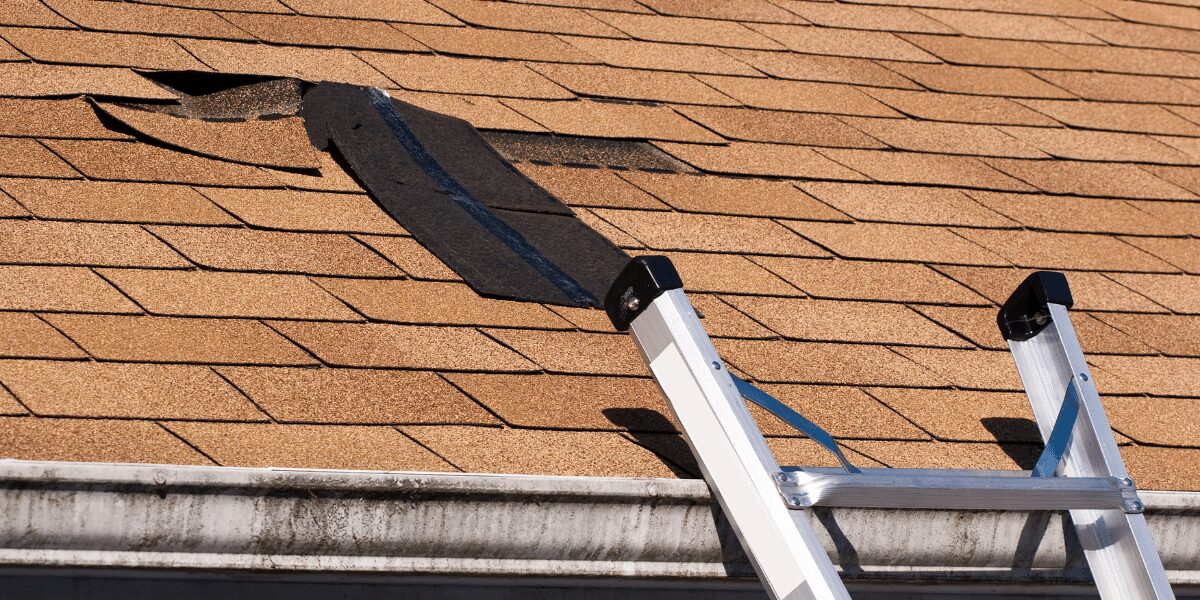
roof leak repair services

Why Does My Roof Leak in Heavy Rain?

A roof leak during heavy rain can quickly turn a cozy home into a scene of chaos. Water dripping from your ceiling is a clear sign that immediate action is needed to prevent further damage. While the situation may seem overwhelming, taking prompt and effective steps can minimize the impact. This guide will walk you through the necessary actions to address a roof leak, from assessing the situation and protecting your belongings to calling in professional help and documenting the damage for insurance purposes. Understanding why roof leaks occur and knowing how to respond can safeguard your home from significant harm. Here’s what you should do:

What to Do When You Have a Roof Leak

Discovering a roof leak during heavy rain can be stressful. Here’s what you should do:

  1. Stay Calm and Assess the Situation: Identify where the leak is coming from and try to contain the water with buckets or tarps.
  2. Protect Your Belongings: Move furniture, electronics, and other valuables away from the leak.
  3. Call a Professional: Contact a trusted roofing contractor like American Craftsmen, LLC in New Castle County, DE for emergency repairs.
  4. Document the Damage: Take photos and notes for insurance purposes.

Why Does My Roof Leak in Heavy Rain?

Roof leaks during heavy rain are common due to several factors:

Poor Installation

Improperly installed shingles or roofing materials can lead to gaps and weak spots.

Damaged Shingles

High winds, hail, and falling debris can cause shingles to crack or dislodge, creating entry points for water.

Clogged Gutters

Gutters filled with leaves and debris prevent proper water drainage, causing water to overflow and seep into the roof.

Flashing Issues

Flashing around chimneys, vents, and skylights can deteriorate or be improperly sealed, allowing water to penetrate.

How Long Can a Roof Leak Before Damage?

Even a minor roof leak can lead to significant damage over time:

Immediate Effects

  • Water Stains: Discoloration on ceilings and walls.
  • Mold Growth: Mold can begin to grow within 24-48 hours of water exposure.

Long-Term Effects

  • Structural Damage: Prolonged exposure can weaken the roof’s structure, leading to potential collapse.
  • Insulation Damage: Wet insulation loses its effectiveness, increasing energy costs.
  • Electrical Hazards: Water can reach electrical wiring, posing fire risks.

Where Do Roofs Normally Leak?

Common leak-prone areas include:

Roof Valleys

The areas where two roof slopes meet are vulnerable due to the volume of water flow.

Chimneys and Skylights

The seals around these structures can wear out over time.

Vents and Pipes

Flashing around vents and pipes can deteriorate, creating entry points for water.

Gutters and Downspouts

Improperly maintained gutters can cause water to back up onto the roof.

Does a Roof Leak Mean Roof Replacement?

Not necessarily. Many leaks can be repaired without the need for a full roof replacement:

Minor Repairs

  • Shingle Replacement: Damaged or missing shingles can be replaced.
  • Flashing Repair: Fixing or replacing deteriorated flashing can stop leaks.
  • Sealant Application: Resealing around chimneys, vents, and skylights can prevent water intrusion.

Major Repairs

If the damage is extensive or the roof is old, a full replacement may be necessary.

How Much Should It Cost to Fix a Roof?

The cost of roof repair varies based on the extent of the damage and the materials used:

Minor Repairs

  • Shingle Replacement: $150 – $400
  • Flashing Repair: $200 – $500
  • Sealant Application: $100 – $300

Major Repairs

  • Partial Roof Replacement: $2,000 – $5,000
  • Full Roof Replacement: $5,000 – $10,000+

For accurate estimates, contact American Craftsmen, LLC, your local roofing experts in New Castle County, DE.


By understanding the causes of roof leaks and knowing what steps to take, you can protect your home from further damage. For professional roof repair and replacement services in New Castle County, DE, trust American Craftsmen, LLC.

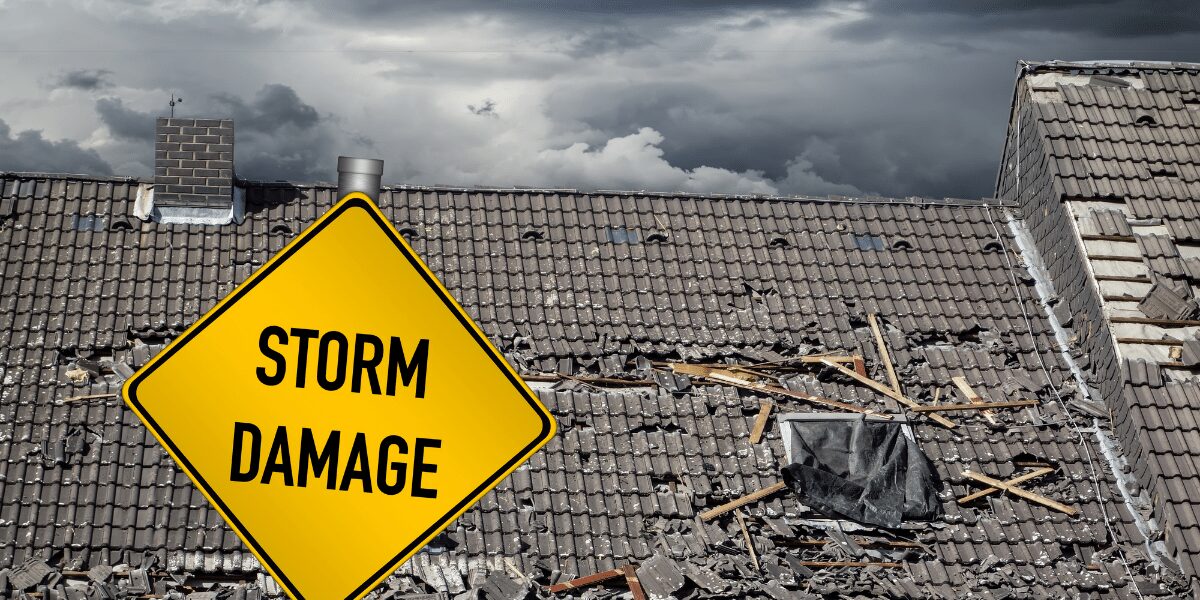
storm damage roof repair service

What to Do If Your Roof Suffers Storm Damage

Severe weather events like hailstorms, thunderstorms, and high winds can wreak havoc on the roofs of homes in Northern Delaware and Southeastern Pennsylvania. If your roof has been damaged by such weather, it’s crucial to take immediate action to prevent further deterioration and ensure the safety and integrity of your home. In this guide, we’ll outline the steps homeowners should take if they find themselves dealing with storm damage, with expert advice from American Craftsmen LLC, your trusted roofing specialists in the region.

Storm damage roof repairs New Castle County, Delaware

Assess the Damage

Conduct a Visual Inspection

The first step is to carefully inspect your roof for any signs of damage. Look for missing or damaged shingles, dented metal flashing, cracked tiles, or any other visible signs of impact. If you’re not comfortable climbing onto the roof yourself, use binoculars to conduct a thorough inspection from the ground, or hire a professional roofing contractor like American Craftsmen LLC to assess the damage for you.

Document the Damage

Take Photographs

It’s essential to document the extent of the damage for insurance purposes. Take clear photographs of the affected areas from multiple angles, capturing close-up shots of any visible damage. This documentation will be valuable evidence when filing an insurance claim and can help ensure that you receive fair compensation for repairs or replacement.

Contact Your Insurance Provider

Initiate the Claims Process

Once you’ve documented the damage, contact your homeowner’s insurance provider to initiate the claims process. Provide them with detailed information about the extent of the damage and provide the photographs as evidence. Your insurance company will assign an adjuster to assess the roof damage and determine the insurance coverage for roof repairs or replacement.

Schedule a Professional Inspection

Consult with a Roofing Expert

While waiting for the insurance adjuster, schedule a professional inspection with a reputable roofing contractor like American Craftsmen LLC. They can provide a detailed assessment of the damage, offer repair recommendations, and provide a written estimate for the necessary repairs or replacement. Having a professional inspection and estimate will help you better understand the scope of the damage and ensure that you receive fair compensation from your insurance provider.

Temporary Repairs

Take Immediate Action

In some cases, storm damage may compromise the integrity of your roof and leave your home vulnerable to further damage from water infiltration. If this is the case, it’s essential to take immediate action to prevent additional issues. American Craftsmen LLC can provide temporary repairs, such as tarping damaged areas or securing loose shingles, to protect your home until permanent repairs can be made.

Schedule Repairs or Replacement

Trust the Experts

Once you’ve received approval from your insurance company and obtained estimates for the necessary repairs or replacement, schedule the work with a reputable roofing contractor like American Craftsmen LLC. They have the expertise, experience, and resources to complete the repairs or replacement efficiently and effectively, restoring your roof to its pre-damaged condition.

Conclusion

Experiencing storm damage to your roof can be a stressful and overwhelming experience, but taking prompt action is essential to minimize further damage and ensure the safety and integrity of your home. By following these steps and enlisting the help of a professional roofing contractor like American Craftsmen LLC, you can navigate the process smoothly and restore your roof to its optimal condition. 

Don’t delay—Contact American Craftsmen LLC today for expert assistance with storm damage roof repairs and replacement.

Porch Addition – Middletown, DE