
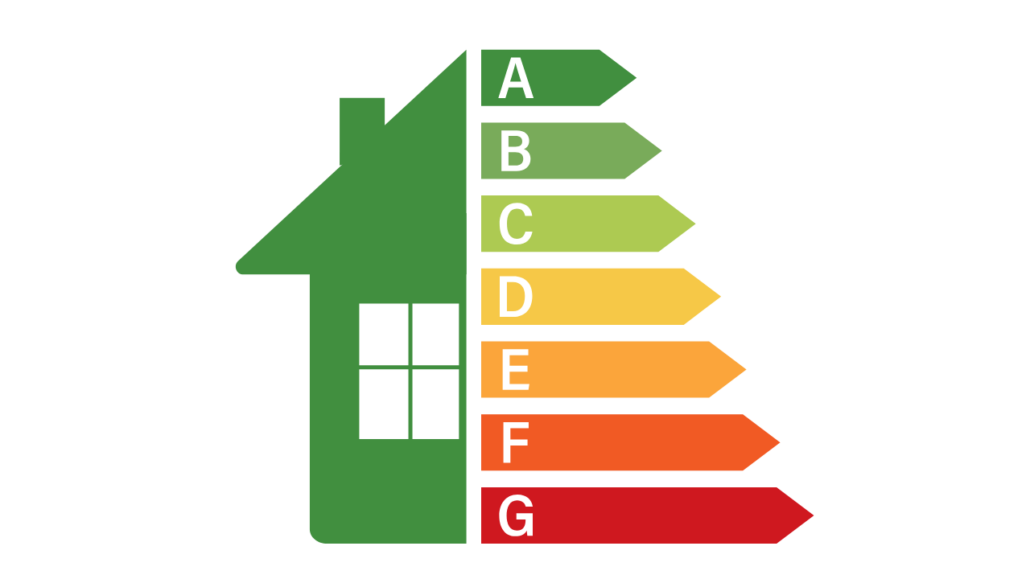
ENERGY STAR Certified Windows in Delaware: What It Means for Your Utility Bills
The ENERGY STAR label shows up on everything from refrigerators to light bulbs, and it’s easy to assume it means roughly the same thing no matter what product it’s stamped on. With windows, that assumption can actually cost you money — because unlike a dishwasher, an ENERGY STAR-certified window doesn’t meet one single national standard. It meets a standard specific to where you live. A window that qualifies for ENERGY STAR certification in Arizona might not qualify in Delaware, and vice versa.
We’ve already covered the technical side of window performance in our guide to U-factor and Solar Heat Gain Coefficient. This article is about the certification itself — what ENERGY STAR actually requires for a home in New Castle County specifically, and what that translates to in real utility bill savings.
ENERGY STAR Isn’t Just a Sticker — It’s a Regional Standard
To carry the ENERGY STAR label, a window has to be independently tested and rated through the National Fenestration Rating Council (NFRC), which measures the whole window’s performance — frame and glass together, not just the glass on its own. Those ratings are then checked against ENERGY STAR’s published criteria, which vary by climate zone.
The U.S. is divided into four ENERGY STAR window climate zones: Northern, North-Central, South-Central, and Southern. Each zone has its own required U-factor and Solar Heat Gain Coefficient (SHGC) thresholds, because a window built to hold in heat for a Minnesota winter isn’t solving the same problem as a window built to block solar heat gain in Phoenix. A window can be ENERGY STAR certified in one zone and not certified in another, which is why the label always specifies which zone(s) a given product qualifies for.
Delaware Falls in the North-Central Zone
New Castle County — and Delaware generally — sits in ENERGY STAR’s North-Central climate zone, which covers much of the Mid-Atlantic along with parts of the lower Midwest. That classification exists for a reason: unlike the Northern zone (heating-dominated, long cold winters) or the Southern zone (cooling-dominated, mild winters), the North-Central zone deals with meaningful heating and cooling loads across the year. That matches our actual weather here — cold winters that call for insulation, and humid, hot summers that call for solar heat control, which is the same seasonal swing we’ve talked about in our post on why Delaware’s climate is tough on windows generally.
Because of that dual burden, North-Central zone requirements are stricter than what you’d see in a milder climate, but not as heating-focused as what’s required further north.
The Actual Numbers: What Certification Requires Here
Under ENERGY STAR’s current Version 7.0 criteria (effective since October 2023), windows sold and certified for the North-Central zone must meet:
- U-factor of 0.25 or lower — a meaningfully stricter requirement than the previous 0.30 threshold, reflecting how much more effectively a window needs to resist heat transfer to earn certification today.
- SHGC of 0.40 or lower — controlling how much solar heat is allowed to pass through the glass, relevant for keeping cooling costs down during our humid summers.
If those numbers don’t mean much on their own, our U-factor and SHGC guide breaks down what each one actually measures. The short version: a lower U-factor means less heat escapes through the window in winter, and a lower SHGC means less unwanted solar heat builds up indoors in summer — and North-Central zone certification requires a window to perform reasonably well at both simultaneously, not just one or the other.
What This Actually Means for Your Utility Bills
This is the part homeowners actually care about, and the honest answer is: it depends on what you’re replacing, but the ranges are well documented by the EPA.
- Replacing single-pane windows with ENERGY STAR certified windows saves an estimated $101 to $583 per year nationally, depending on climate and home size. For the North-Central zone specifically, EPA-based modeling puts the average closer to roughly $490 per year for a whole-home single-pane replacement.
- Replacing older double-pane windows (especially ones with failed seals or outdated glass) typically saves $27 to $197 per year, since the baseline performance you’re replacing is already better than single-pane glass.
- On average nationwide, ENERGY STAR certified windows reduce heating and cooling costs by up to 13% compared to non-certified products.
For context on why windows matter as much as they do: the U.S. Department of Energy estimates that heat gain and heat loss through windows account for roughly 25 to 30% of a home’s total heating and cooling energy use. That’s a big enough share that upgrading old, leaky, or single-pane windows is one of the more consequential envelope improvements a homeowner can make — right up there with attic insulation.
A few honest caveats: these are estimates, not guarantees. Actual savings depend on your current windows’ condition, your home’s size and insulation, your HVAC system’s efficiency, and your utility rates. A homeowner replacing 40-year-old single-pane windows will see a very different result than someone replacing 15-year-old double-pane units with failed seals. If you’re trying to build the broader financial case before committing to a project, our post on return on investment for replacement windows is a useful next read.
Why the Standard Keeps Changing — and Why That Matters When You Shop
ENERGY STAR isn’t a fixed bar. The program has been updated multiple times since windows were added to its scope in 1998, and the most recent update — Version 7.0 — tightened requirements meaningfully across all four climate zones starting in October 2023. The North-Central zone’s U-factor requirement alone dropped from 0.30 to 0.25, a real jump in what’s required to earn the label today.
The practical takeaway: if you’re comparing window quotes, don’t assume “ENERGY STAR certified” tells you everything. Confirm which version of the standard a product is certified under and which specific climate zone it qualifies for. A window certified years ago under an older, looser version of the standard may not meet today’s North-Central requirements, even if it still carries an ENERGY STAR sticker from when it was manufactured.
Where ProVia Fits Into This
ProVia’s Endure, Aeris, and Aspect window lines are ENERGY STAR certified, and ProVia offers multiple glass packages specifically to help homeowners meet the certification criteria for their particular region — which matters, since not every glass package on every line is necessarily built for North-Central zone requirements specifically. This is part of why the glass and frame engineering we covered in our breakdown of what makes a ProVia window “professional-class” — the ComforTech glazing system, warm-edge spacers, and frame insulation — isn’t just about premium construction for its own sake. It’s what actually gets a window’s tested U-factor and SHGC low enough to clear the North-Central zone bar in the first place.
If you’re comparing options, it’s worth asking your installer directly which glass package on your chosen window line meets current North-Central zone ENERGY STAR criteria — not just whether the brand as a whole carries the label somewhere in its lineup. You can also check current criteria directly on ENERGY STAR’s official site or ProVia’s own ENERGY STAR page.
It’s Not Just the Glass — the Whole Window Has to Perform
One thing worth remembering: the NFRC rating that determines ENERGY STAR eligibility measures the entire window assembly, not just the glass. A high-performance glass package installed in a poorly insulated, poorly sealed frame won’t hit the same U-factor as that same glass in a well-engineered frame. That’s a big part of why frame construction — welded corners, thermal reinforcement, insulated cavities, and proper weatherstripping — factors directly into whether a window actually earns certification, not just how the glass alone is rated in isolation.
Talk to a Local Installer Who Understands Delaware’s Requirements
Choosing ENERGY STAR certified windows is a smart baseline, but making sure you’re getting a product that’s actually certified for North-Central zone performance — not just certified somewhere in the country — is where a knowledgeable local installer earns their keep. As a certified ProVia dealer in New Castle County, American Craftsmen can confirm exactly which glass packages and window lines meet current ENERGY STAR requirements for our climate zone. Contact us to schedule a free consultation.



Leave a Reply
Want to join the discussion?Feel free to contribute!